Latex gives a firmer hold and more shape, so it suits everyday wear and anyone who wants the most cinch. Neoprene is a padded synthetic rubber that holds heat, so it feels warmer and makes you sweat more during workouts, but on its own it shapes less. A trainer with a latex outer and neoprene lining gives you both.
That last option is how our Neoprene Sweat & Sculpt is built, and it's why we get asked this question so often. Here's how the two materials compare and how to choose.
Latex vs neoprene at a glance
| Latex | Neoprene | Latex outer + neoprene lining | |
|---|---|---|---|
| Hold | Firm, the most shaping | Softer, less shaping | Firm |
| Feel against skin | Smooth, cool at first, warms up | Padded and warm from the start | Padded and warm |
| Heat and sweat | Warm | Warmest | Warmest |
| Flexibility | Bends with you, stiff for the first few wears | Very flexible | Bends with you |
| Latex-free? | No | Usually, but check the outer and trims | No |
| Best for | All-day wear, under clothes, workouts | Short sweat sessions | Cardio and sweat sessions with shape |
What is a latex waist trainer?
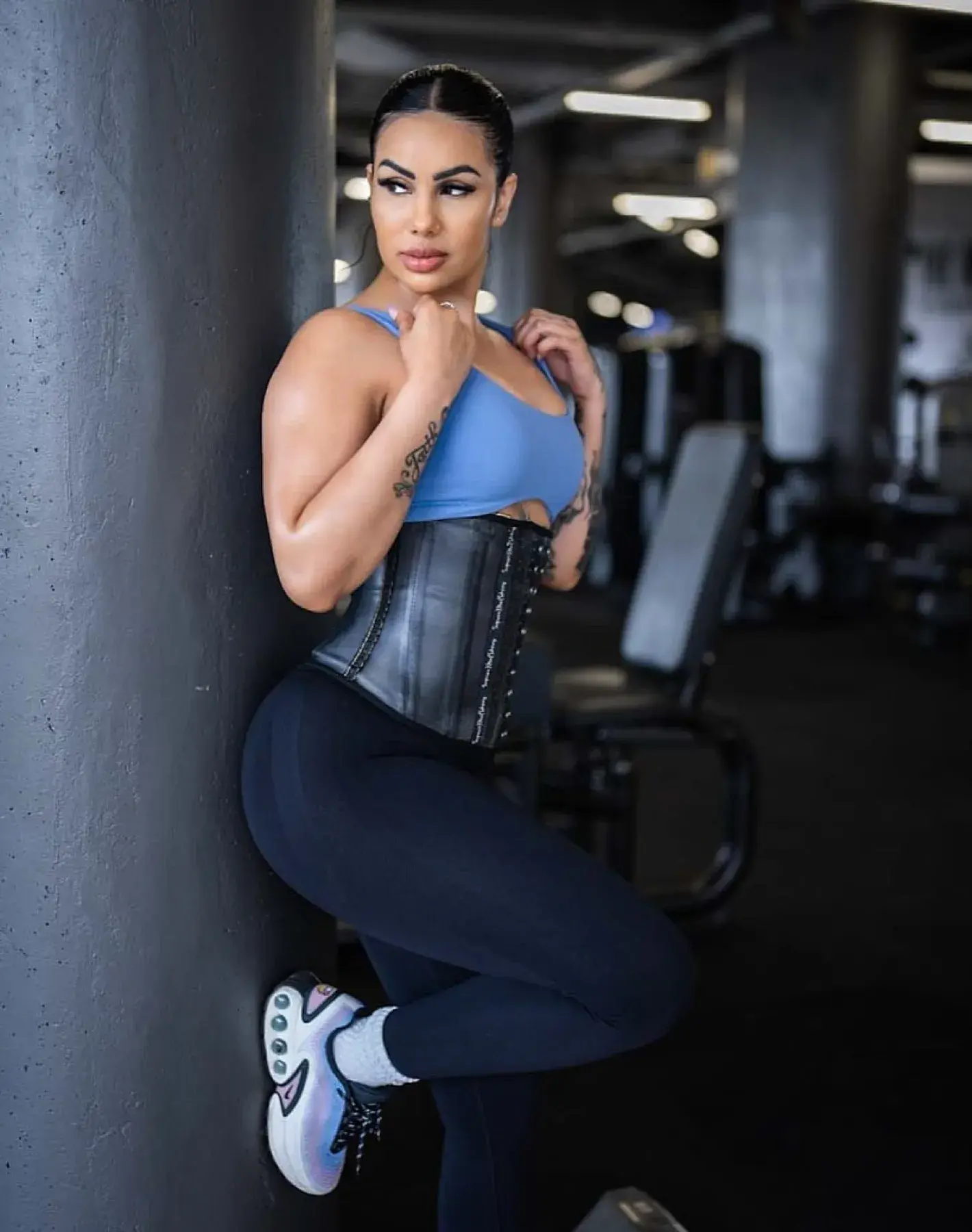
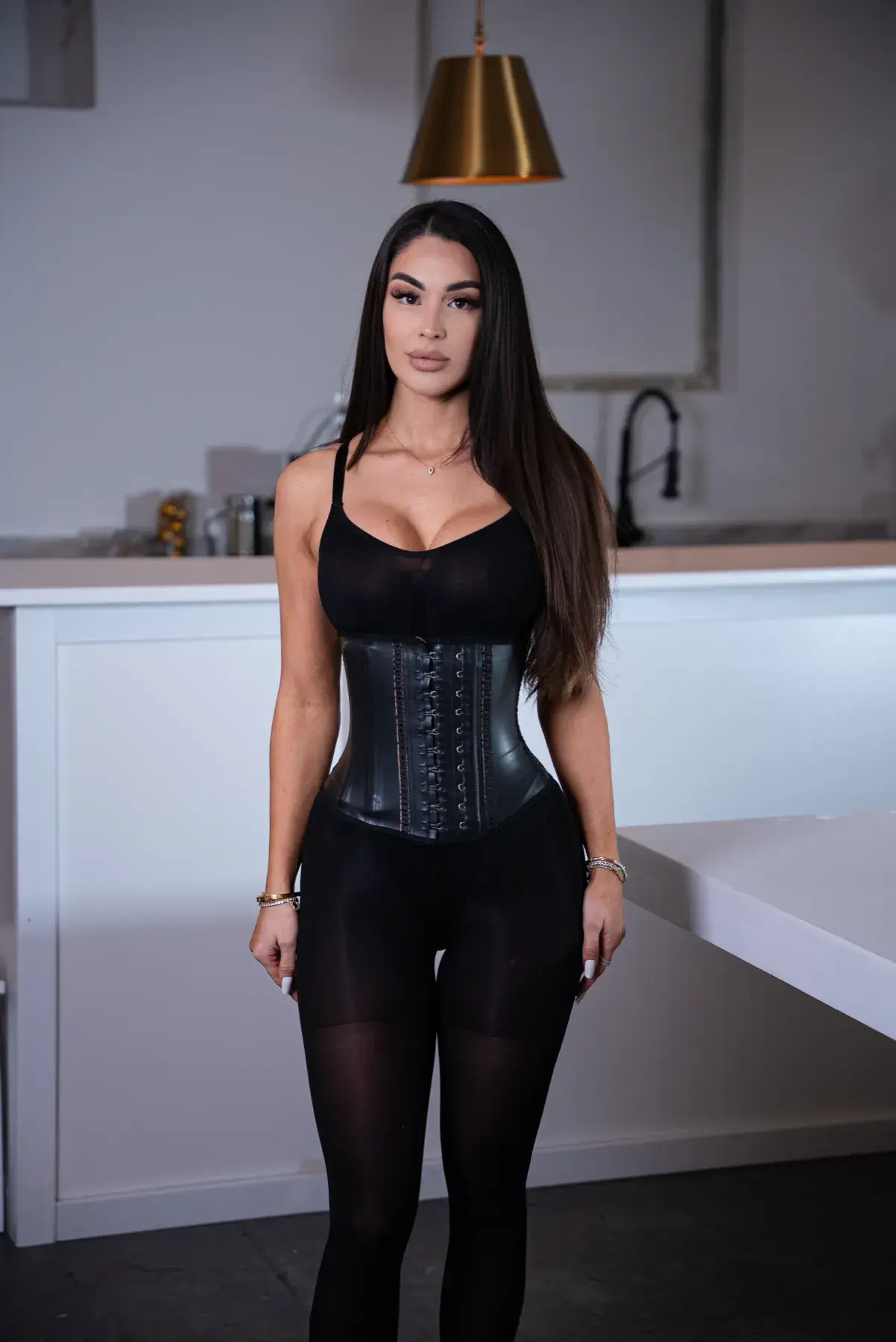
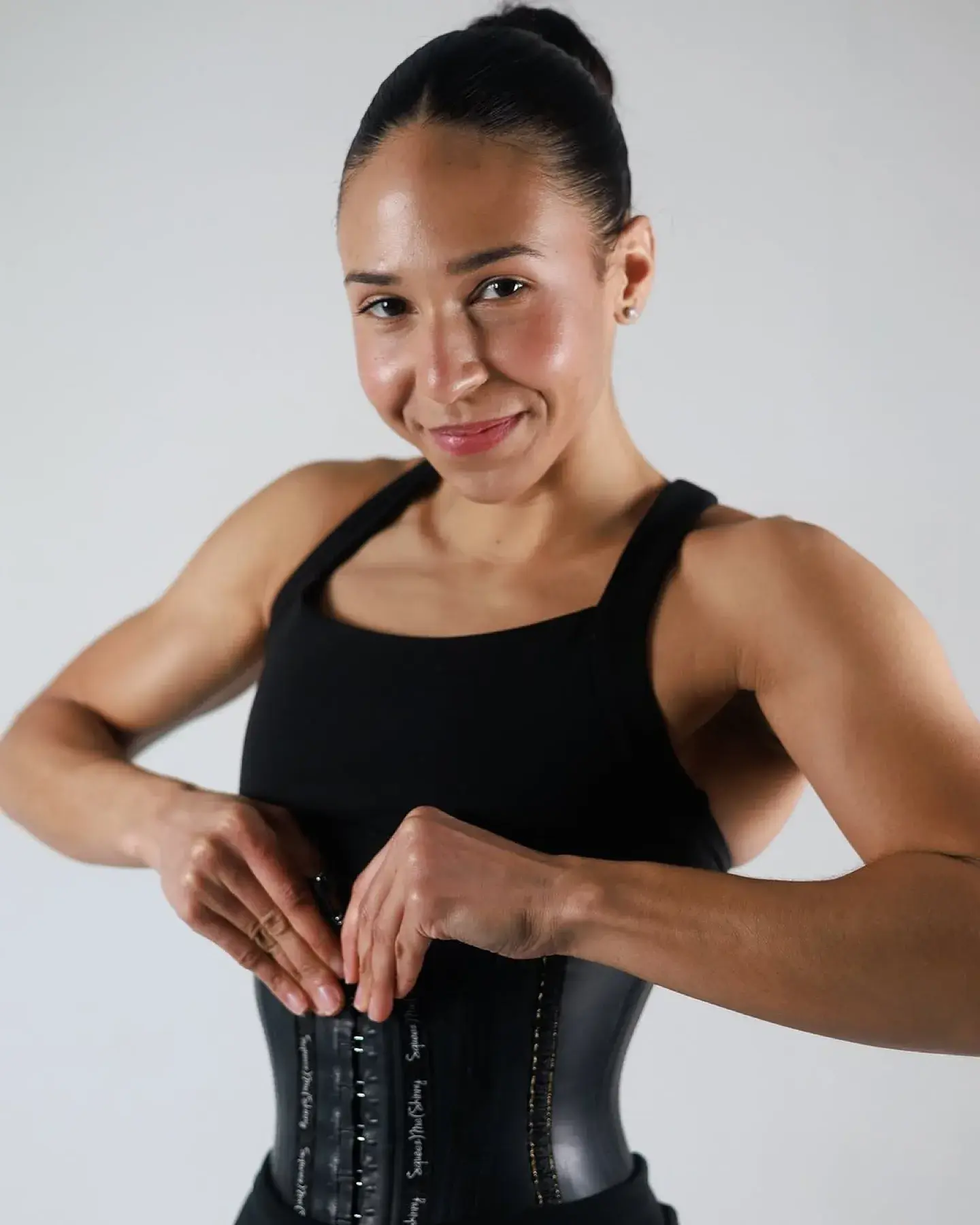
Latex is natural rubber. It's dense and springy, so it grips your waist and holds its shape when you move. That's why most shaping trainers are latex. It's stiff out of the box and softens with body heat over the first few wears, which is why you start on the loosest row of hooks.
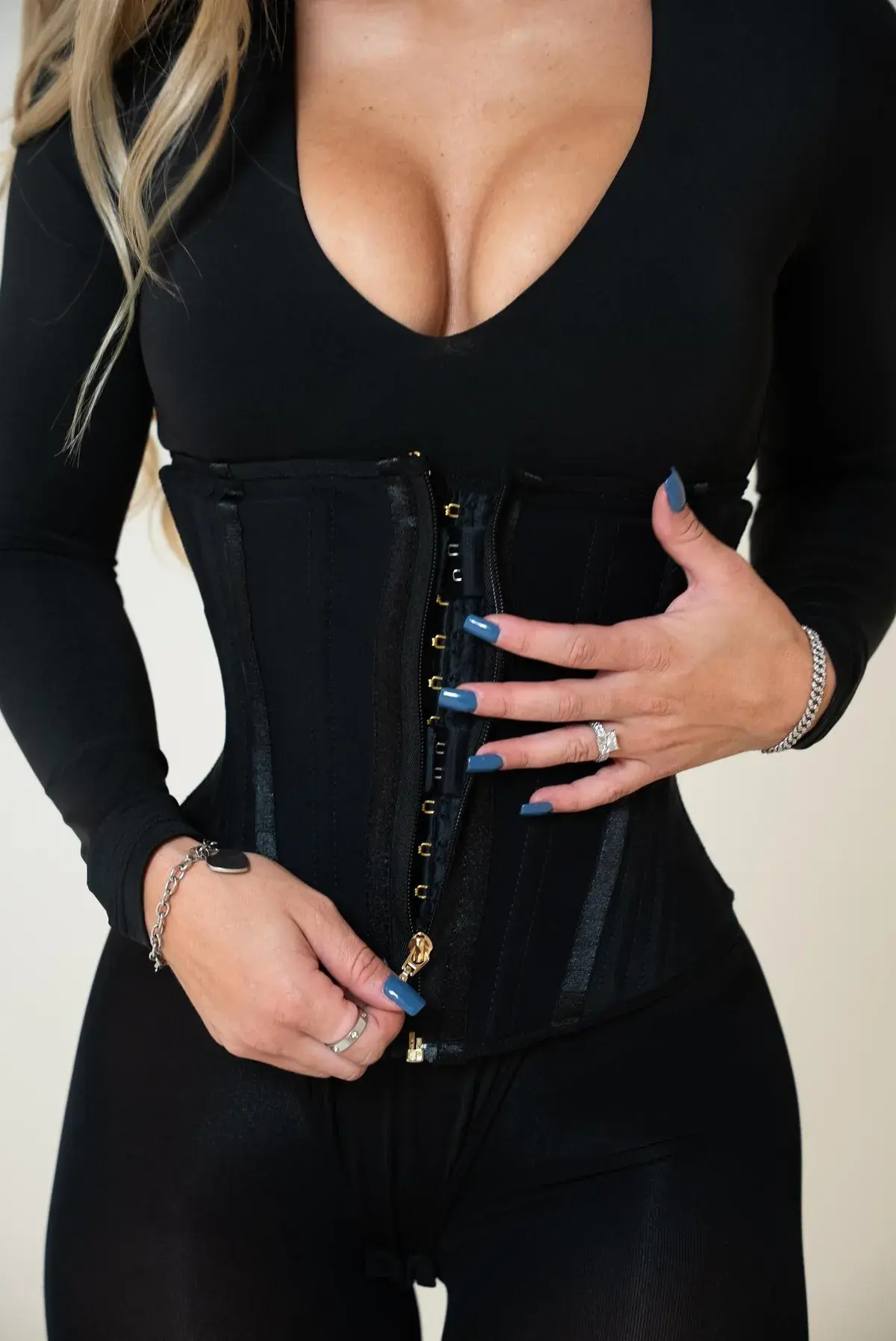
Latex comes in different firmnesses. Our Active Sculpt uses a flexible latex that bends through squats and cardio. The Daily Sculpt uses a firmer latex that holds you in all day and lies smooth under a fitted dress.
What is a neoprene waist trainer?
Neoprene is a synthetic rubber foam, the same family of material used in wetsuits. It traps body heat, which is why neoprene trainers feel warm within minutes. Many low-cost neoprene trainers are a single neoprene band with a hook-and-loop strap. They're comfortable and warm, but without latex and boning they tend to shift, roll and give less shape.
Our Neoprene uses both
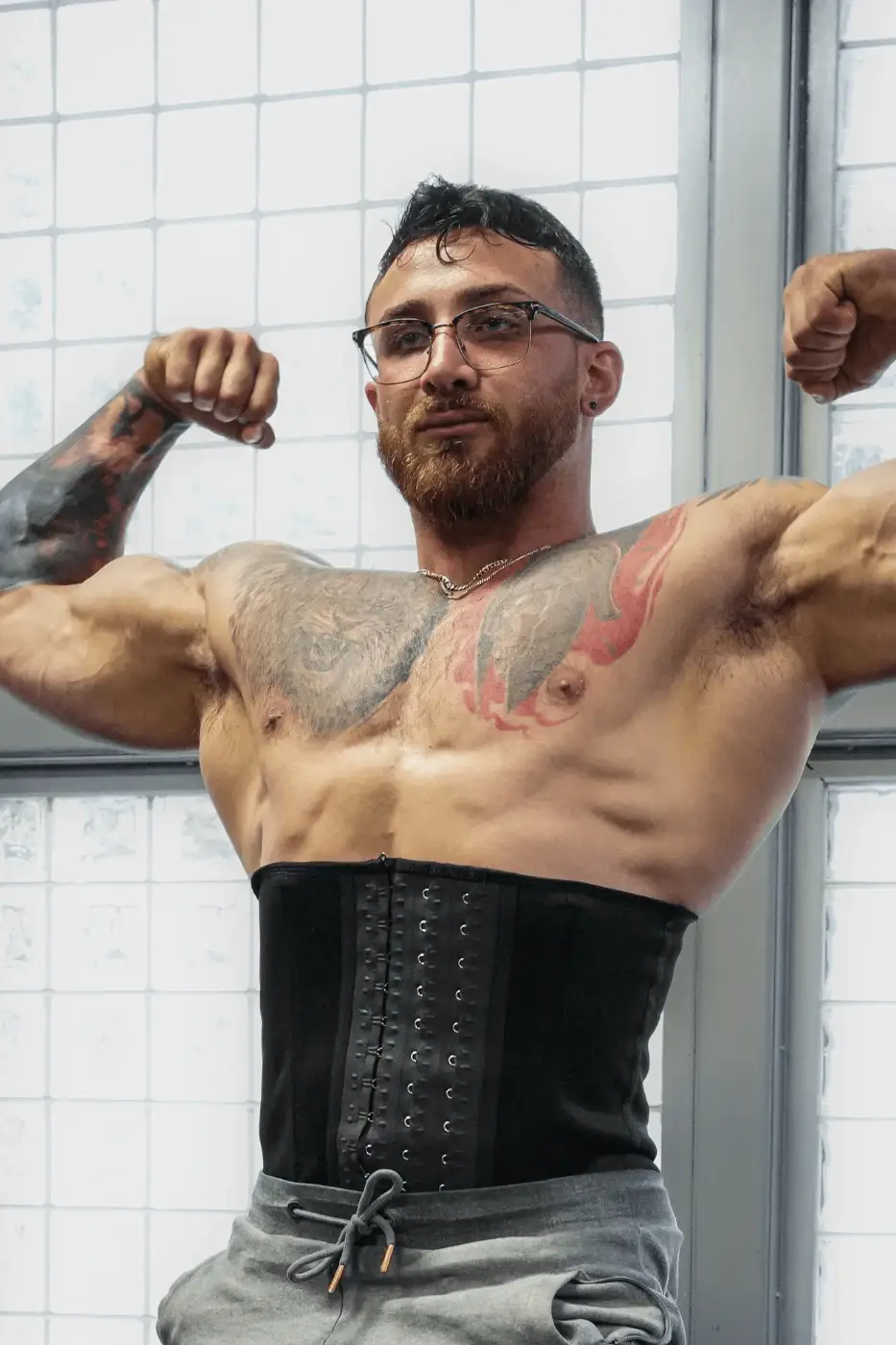
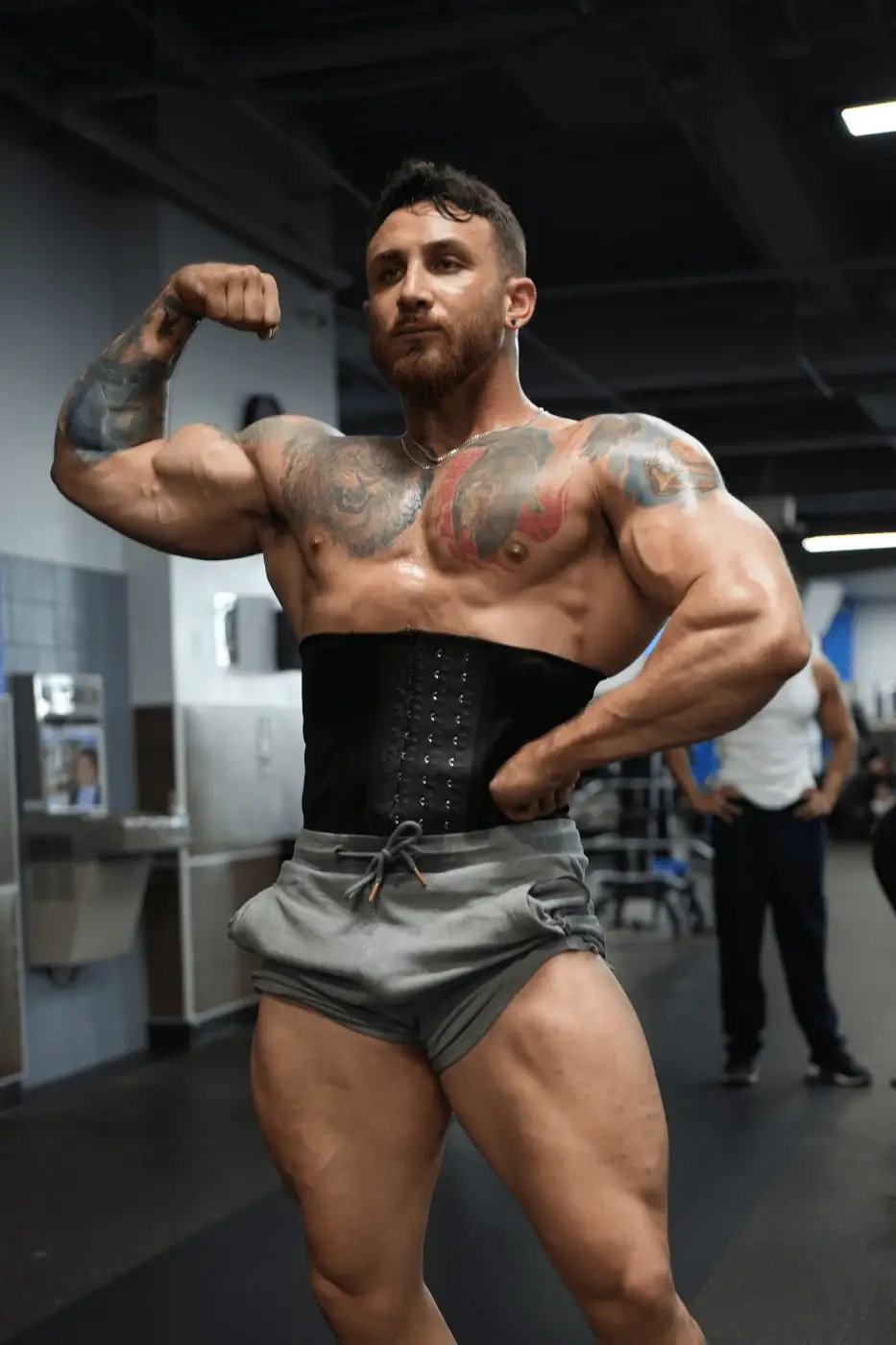
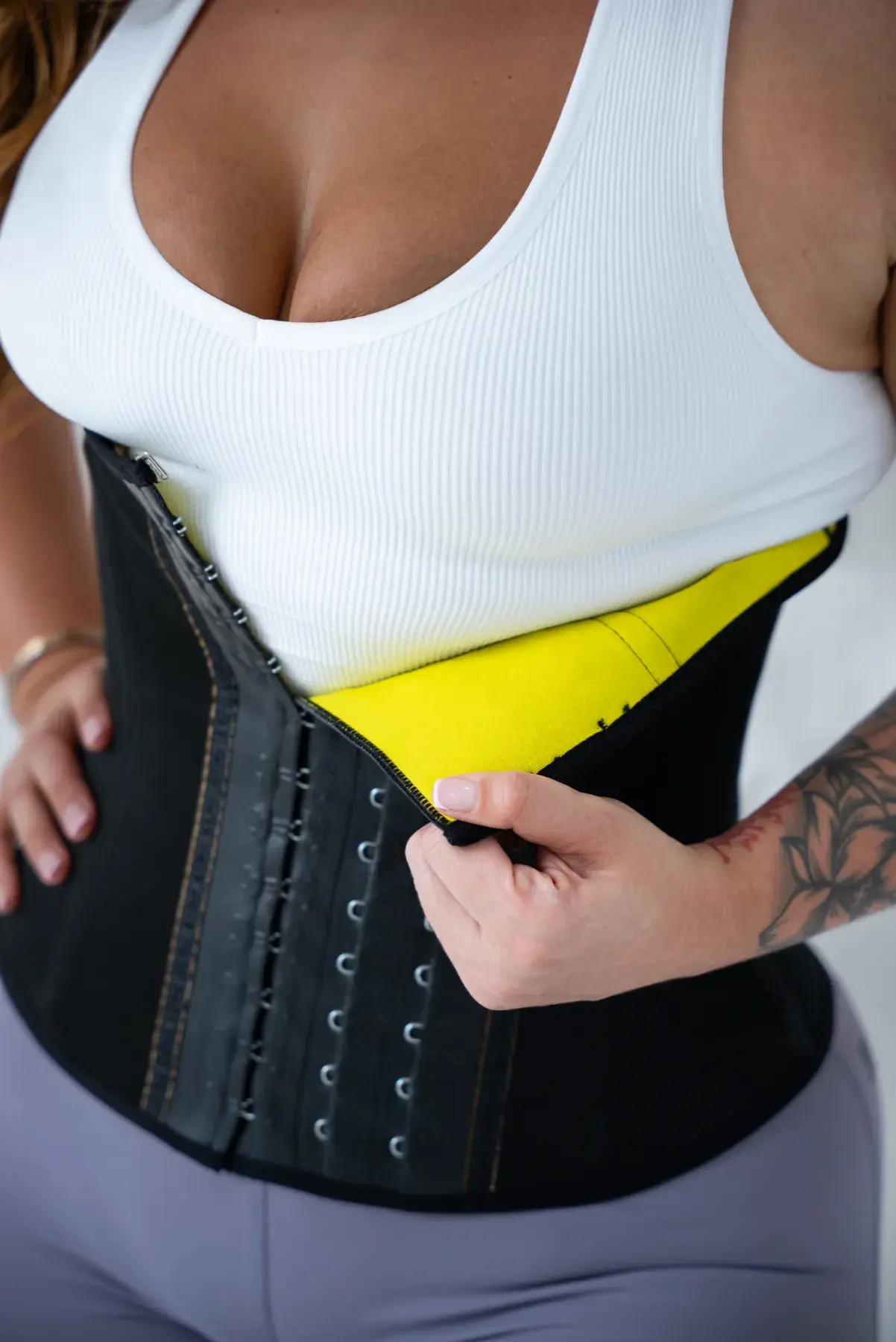
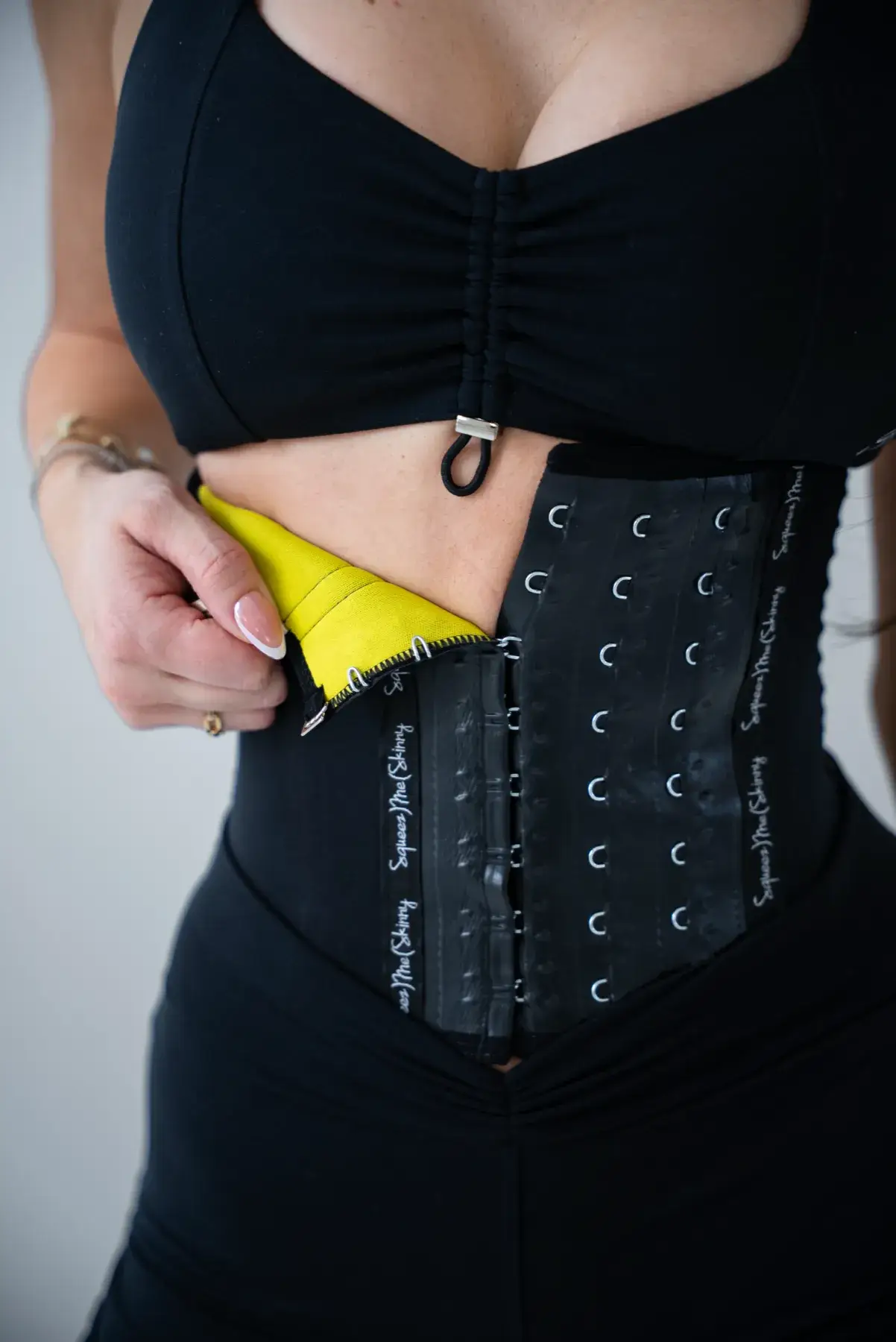
The Neoprene Sweat & Sculpt has a latex outer for the snatch and our yellow neoprene lining for heat. It closes with three rows of hooks like our latex trainers and comes in 8", 10" and 12" lengths, so you can match it to your torso. Men get the same idea in the Men's Neoprene Trainer.
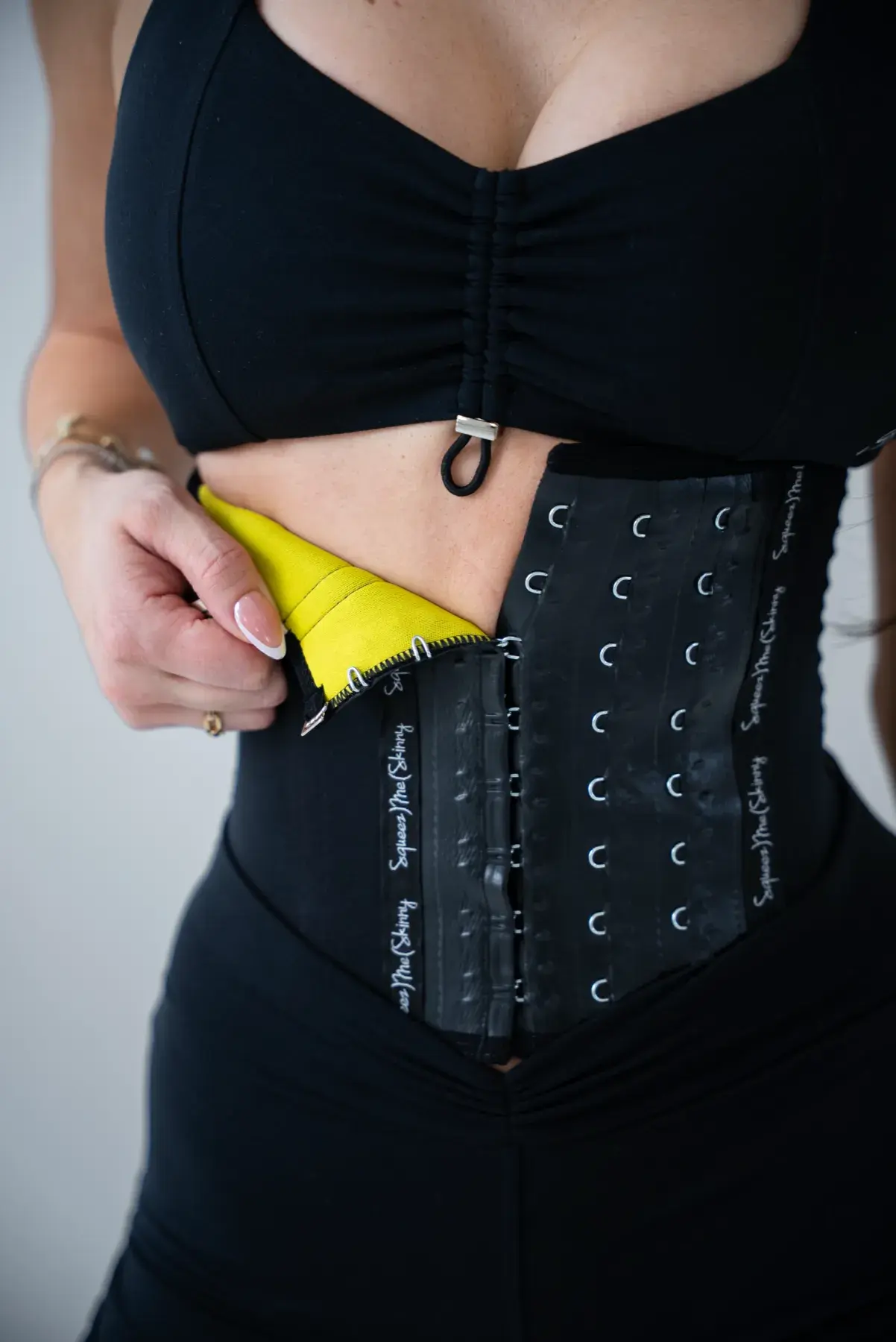
“Never disappoints No pinching at the bottom”
Which is better for workouts?
It depends on what kind of session it is. For cardio, stair-climber and circuit days where you like to feel warm, neoprene-lined is the pick. For mixed training with a lot of bending, squats and lunges, flexible latex like Active Sculpt moves more freely. For heavy lifting, neither: you need to brace and breathe, and a trainer gets in the way. See waist trainer vs lifting belt.
Which is better for everyday wear?
Latex. A neoprene lining adds bulk and heat you don't need at a desk or under a dress. If you want one trainer for long days, a firm latex trainer such as Daily Sculpt is made for it. If you'll wear it mostly at the gym, go neoprene-lined.
Does neoprene make you sweat more?
Yes, usually. It holds heat against your skin, so you sweat more under it. That sweat is water and electrolytes. Cleveland Clinic's sports medicine team says the weight you lose through sweat mostly comes back once you rehydrate, and that sweating isn't what drives calorie burn. Enjoy the warm feel, but drink water and don't treat a soaked lining as a sign of progress.
If you have a latex allergy or sensitive skin
- Our neoprene trainers aren't latex-free. They have a latex outer. Choose a latex-free trainer instead.
- Neoprene can bother some skin too. Dermatology reports link neoprene rashes to thiourea chemicals used in making it. If you react to wetsuits or neoprene braces, be careful.
- A thin layer helps. A fitted cotton tank under any trainer cuts friction and keeps sweat off your skin.
How to care for latex vs neoprene
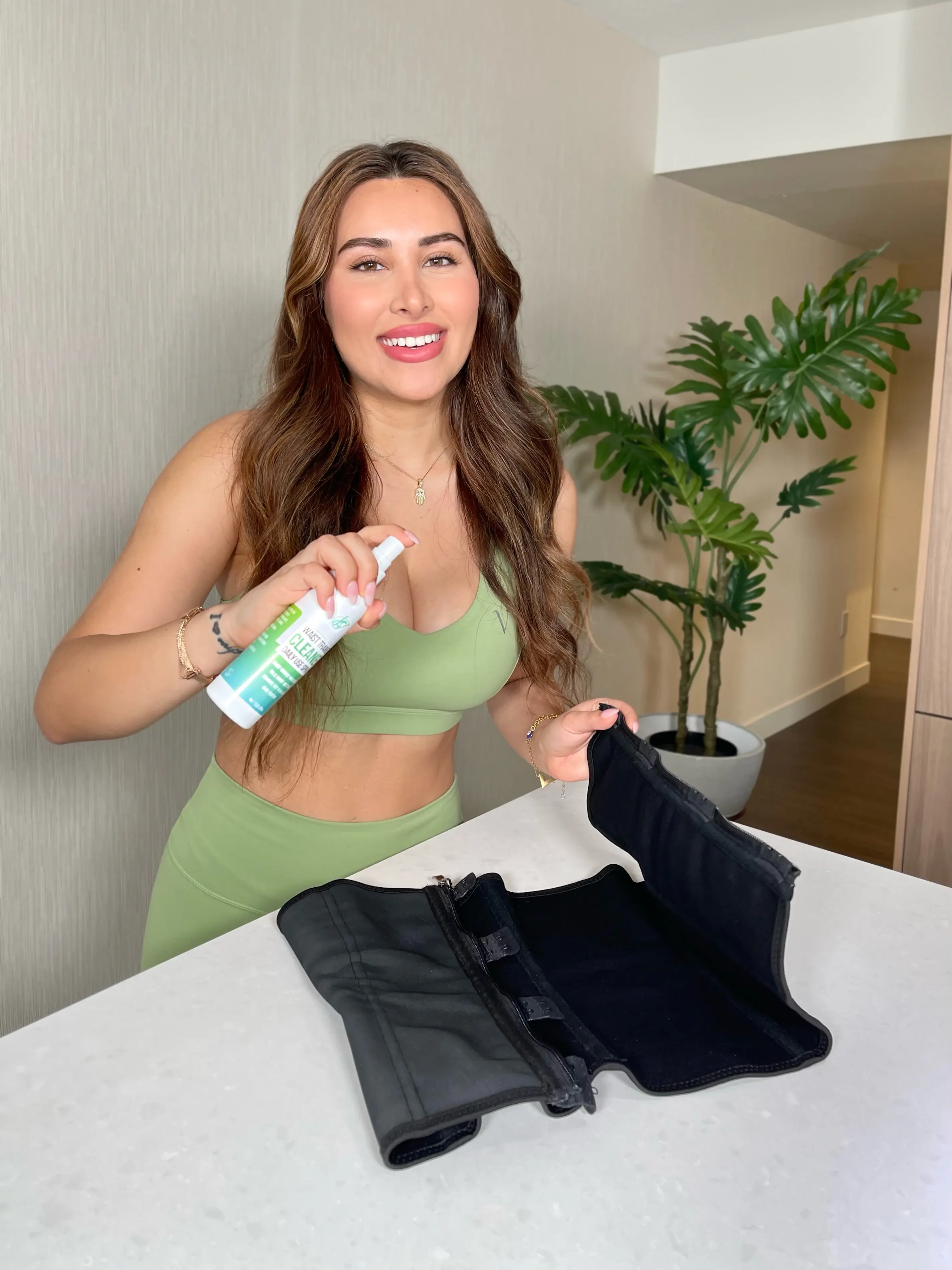
Both like a cool hand wash with mild soap and an air dry, flat and out of direct sun. Never use a dryer. Latex has one extra rule: keep oils and oil-based lotions off it, because they weaken it over time. Neoprene linings soak up more sweat, so let the trainer dry fully, inside facing out, before you store it. A quick spray of Spray & Go Trainer Cleaner inside after each wear keeps it fresh between washes. The full routine is in how to clean a waist trainer, and if yours already smells, see why your waist trainer smells.
Pick your material

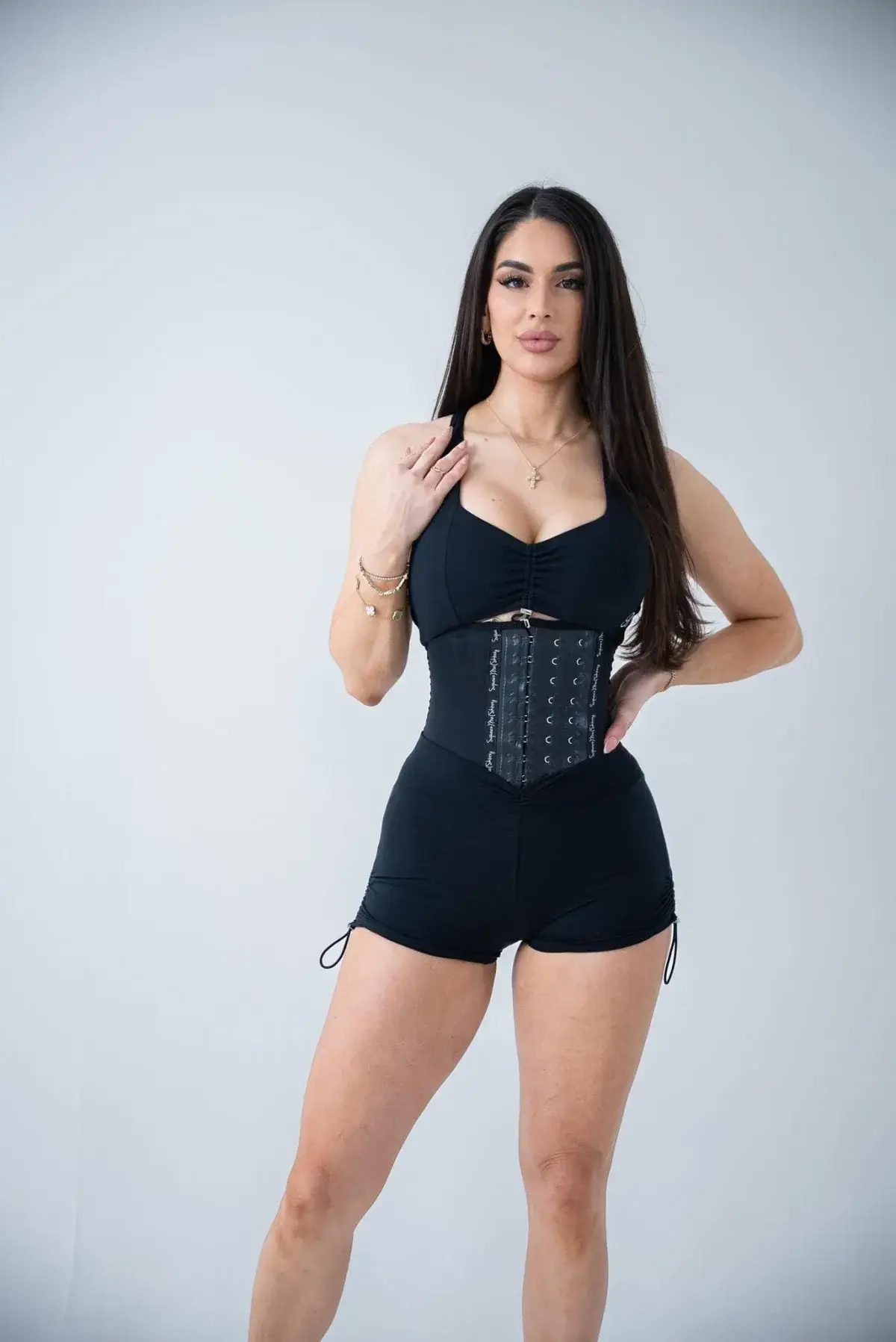
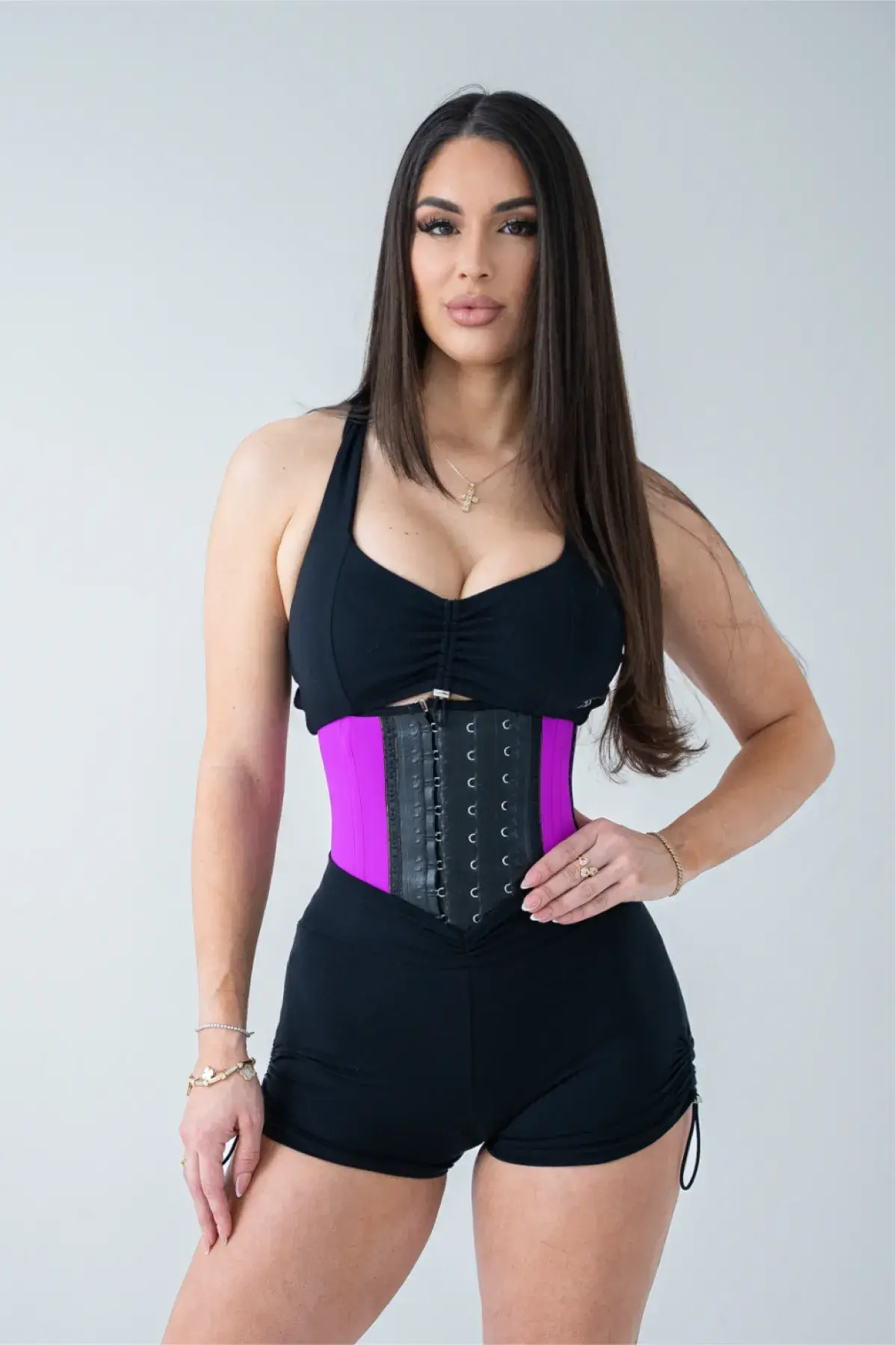
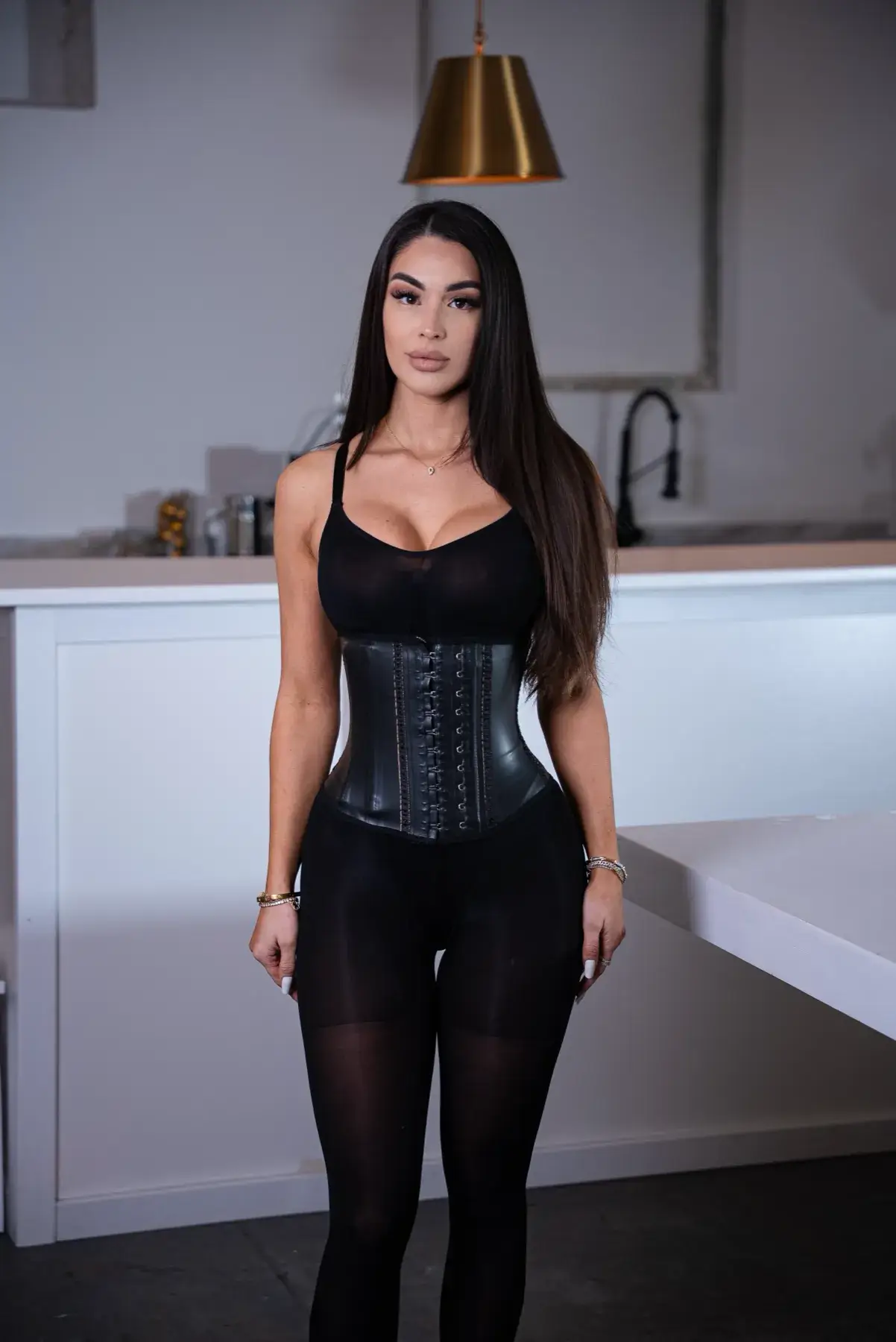
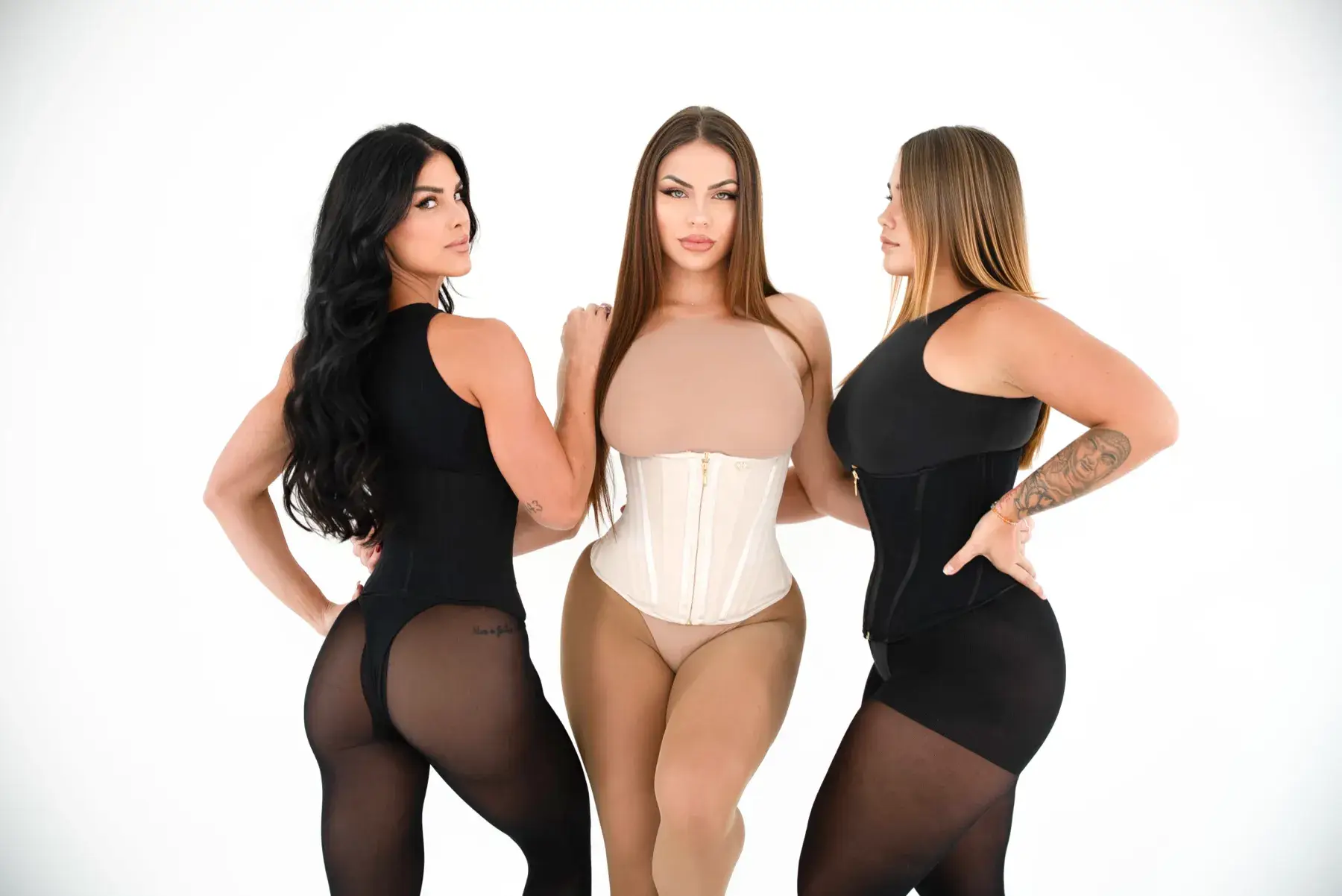
Not sure which length or size? The Find My Fit quiz matches your goal, waist and torso to a trainer in about a minute. Or browse the whole Neoprene line.
Is latex or neoprene better for a beginner?
For most first-timers, flexible latex. It shapes well, softens quickly and works for workouts and everyday wear. Choose neoprene-lined if you'll mostly wear it for sweaty cardio.
Does neoprene make you sweat more?
Usually, yes. It holds heat against your skin. The extra sweat is water and electrolytes, so drink water and expect that weight to come back once you rehydrate.
Which lasts longer, latex or neoprene?
Care matters more than material. Hand wash, air dry flat, keep latex away from oils, and give it a day off between wears when you can. How long does a waist trainer last covers the signs of wear.
Is a neoprene waist trainer latex-free?
Not ours. The Neoprene Sweat & Sculpt and Men's Neoprene have a latex outer. For latex-free, choose Luxx Hourglass or Invisible Zip & Clip.
Can I wear a neoprene waist trainer all day?
It isn't made for that. The lining is warm and holds sweat, so it's best for workouts. For long days, choose a latex trainer.