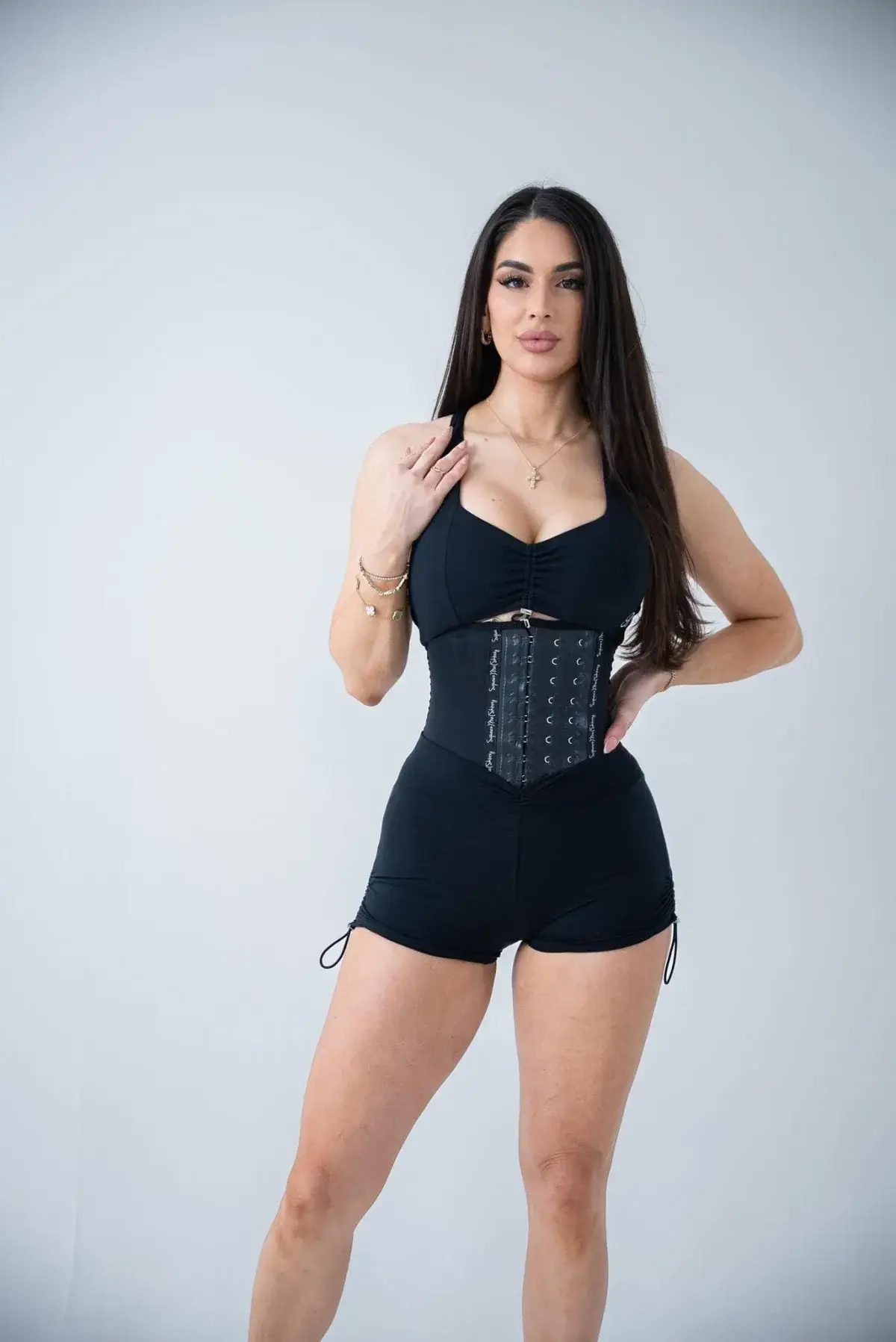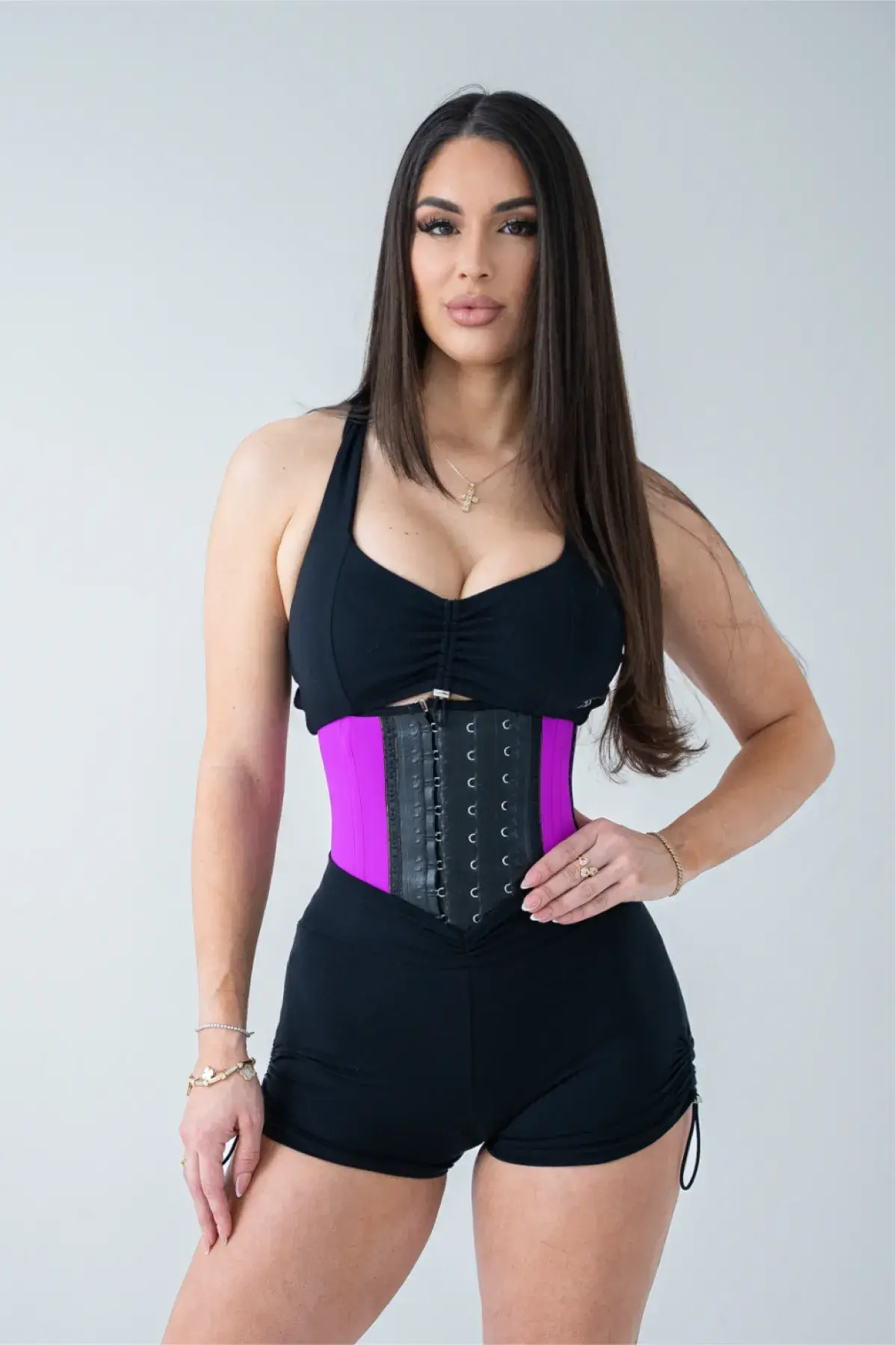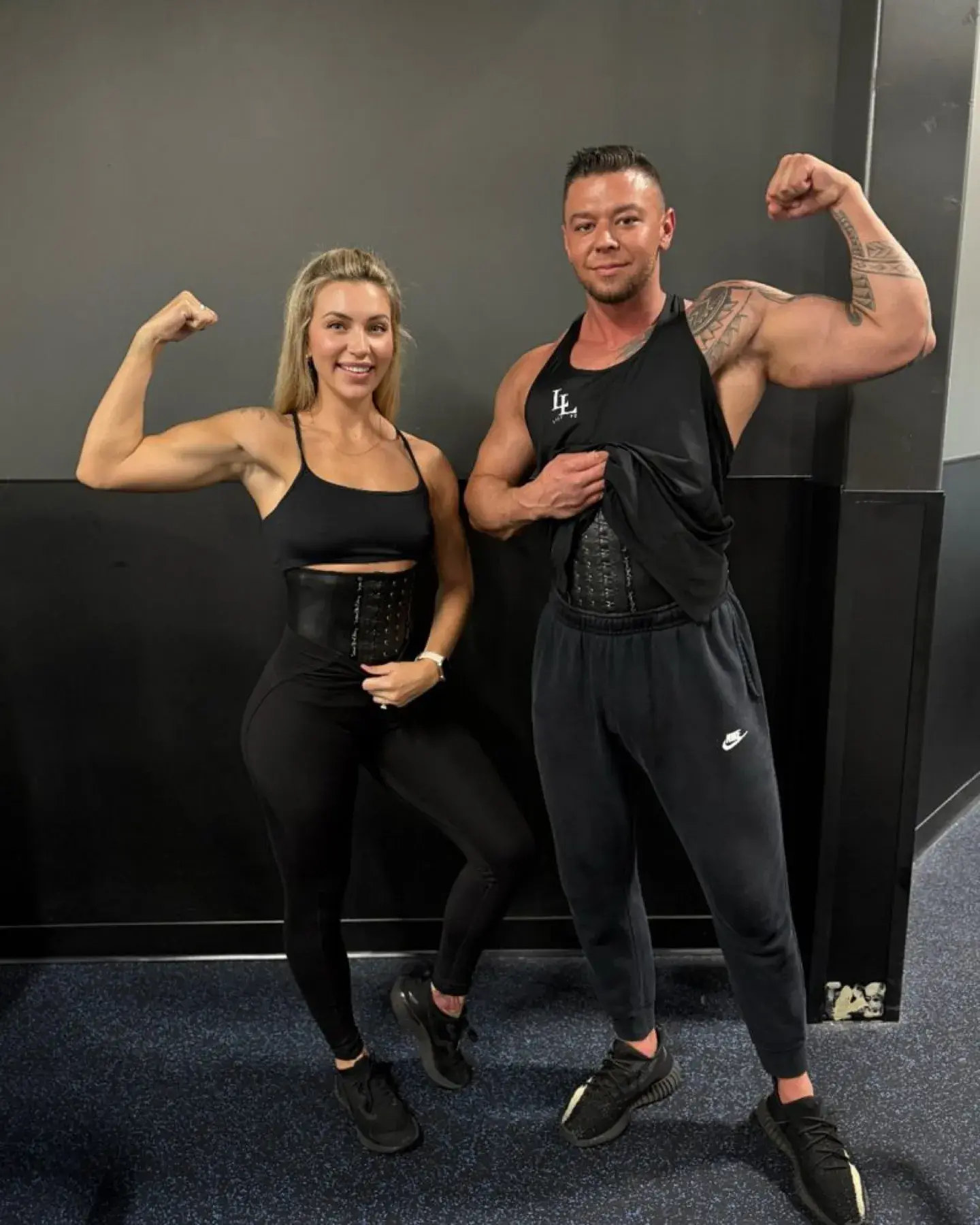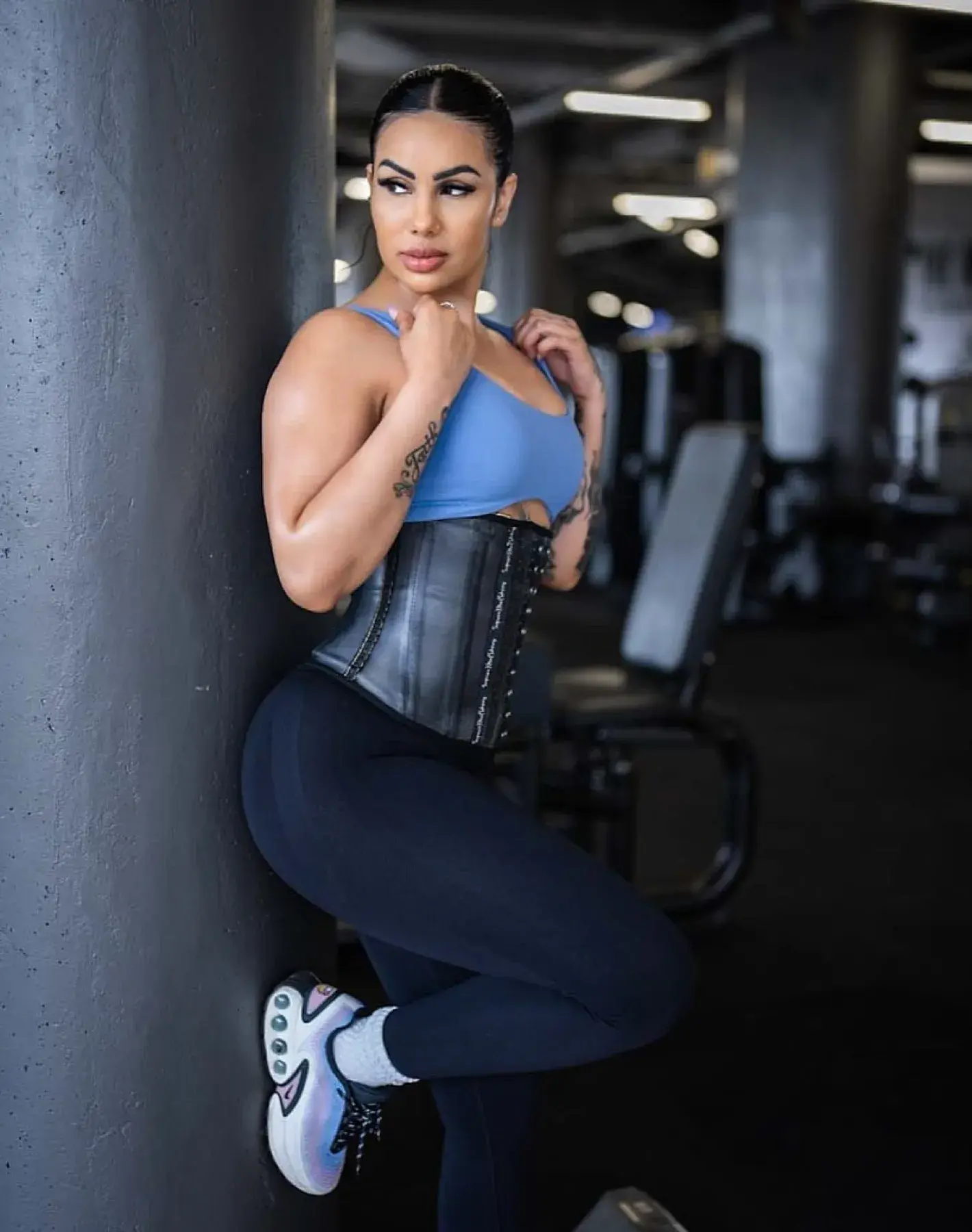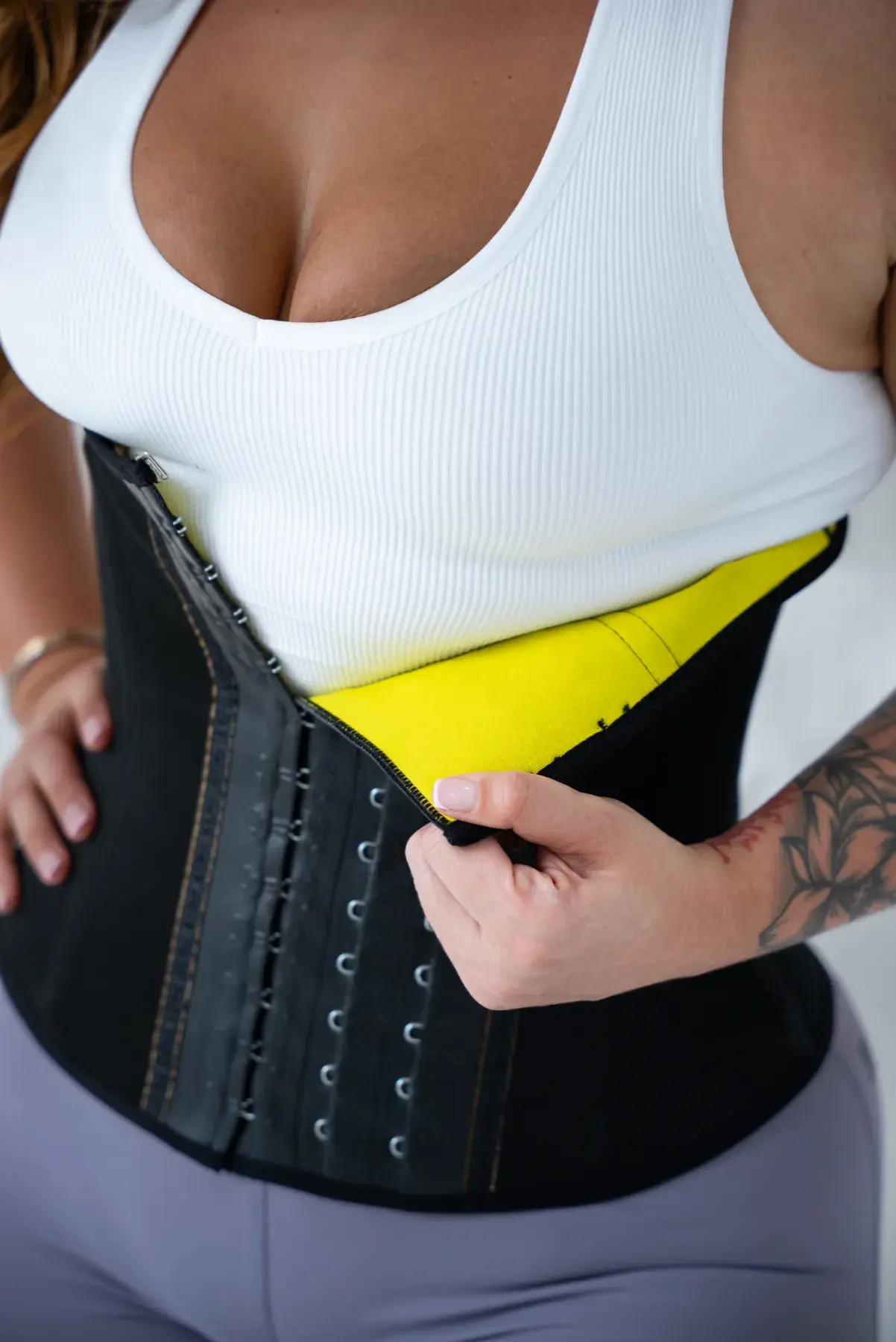
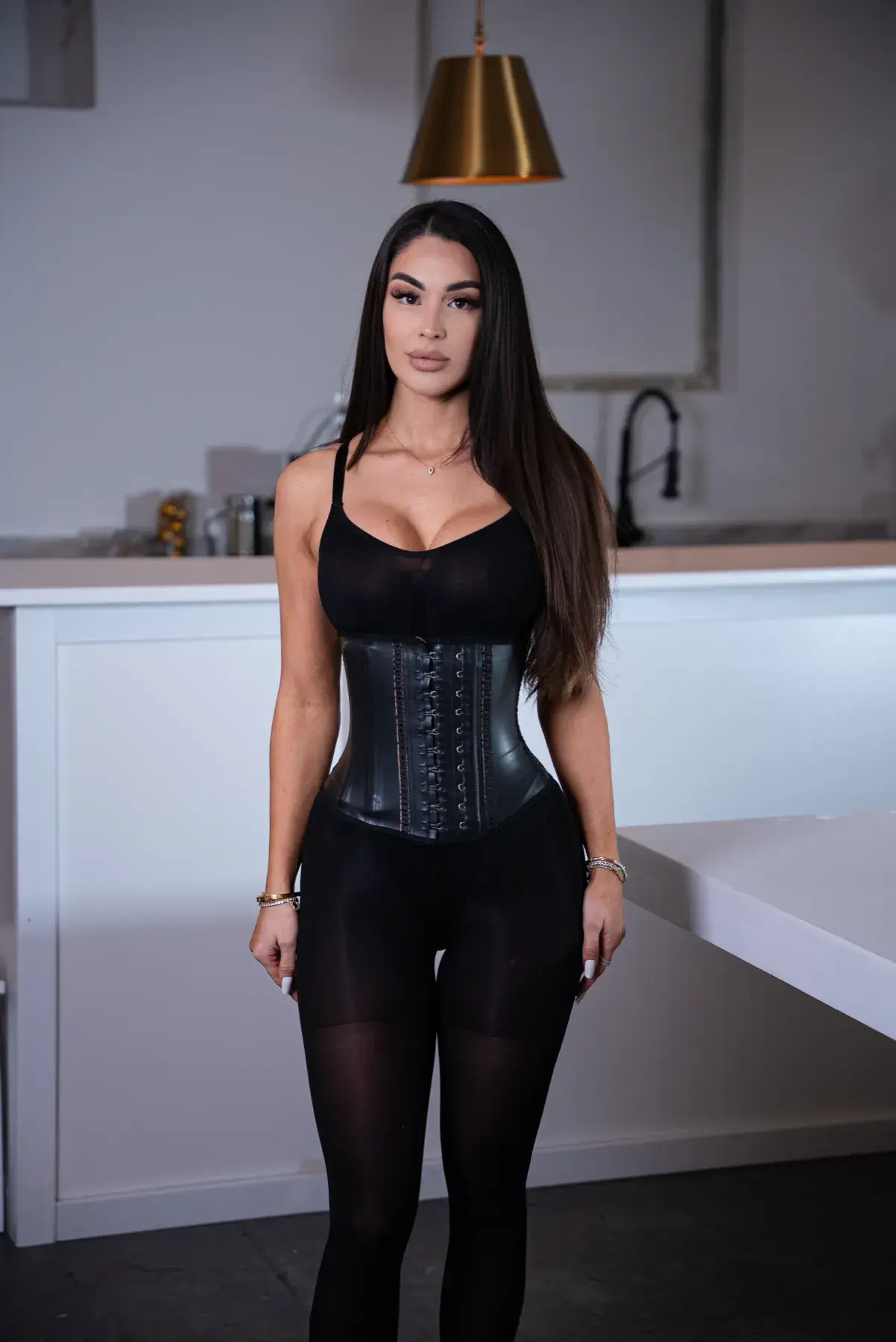
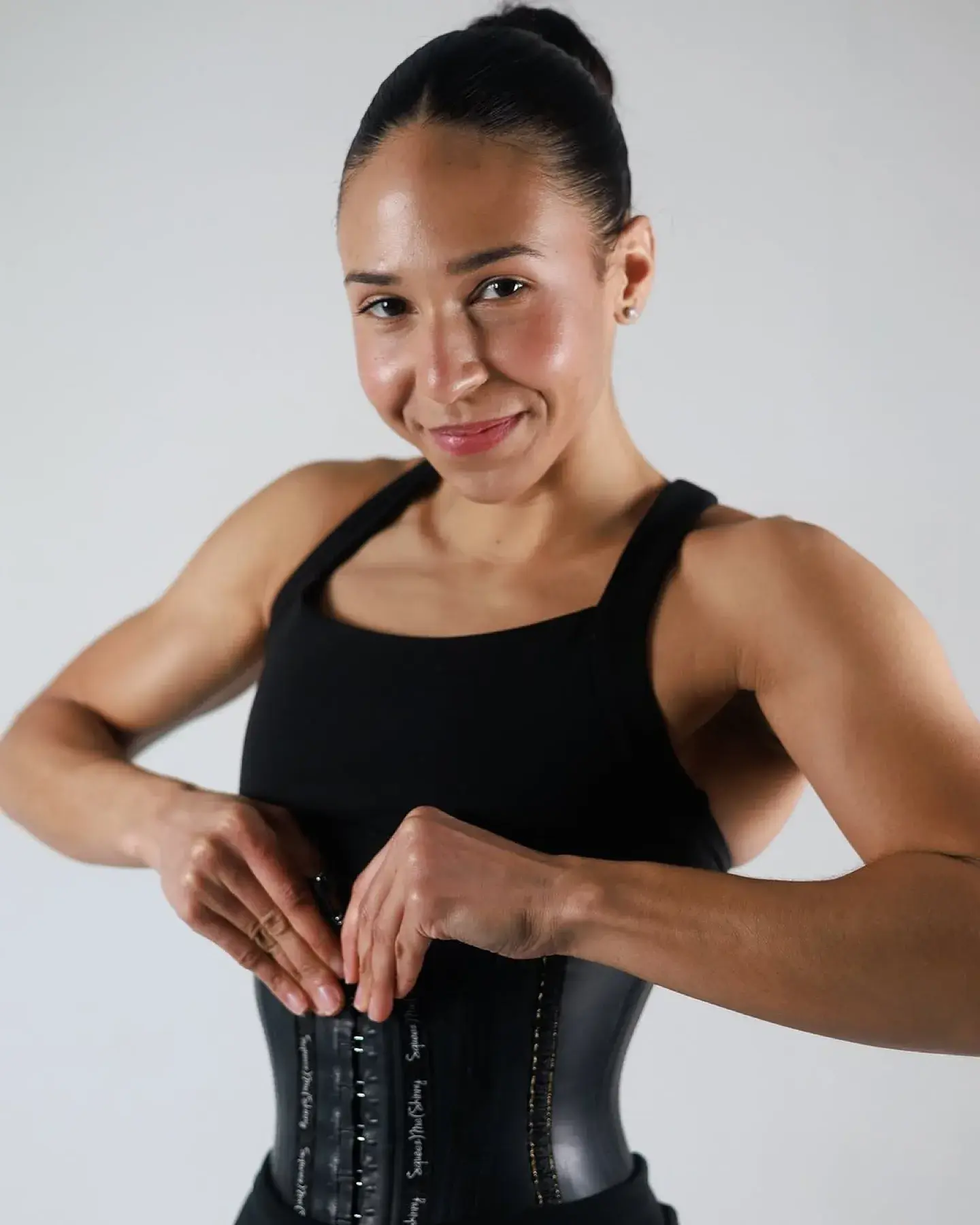
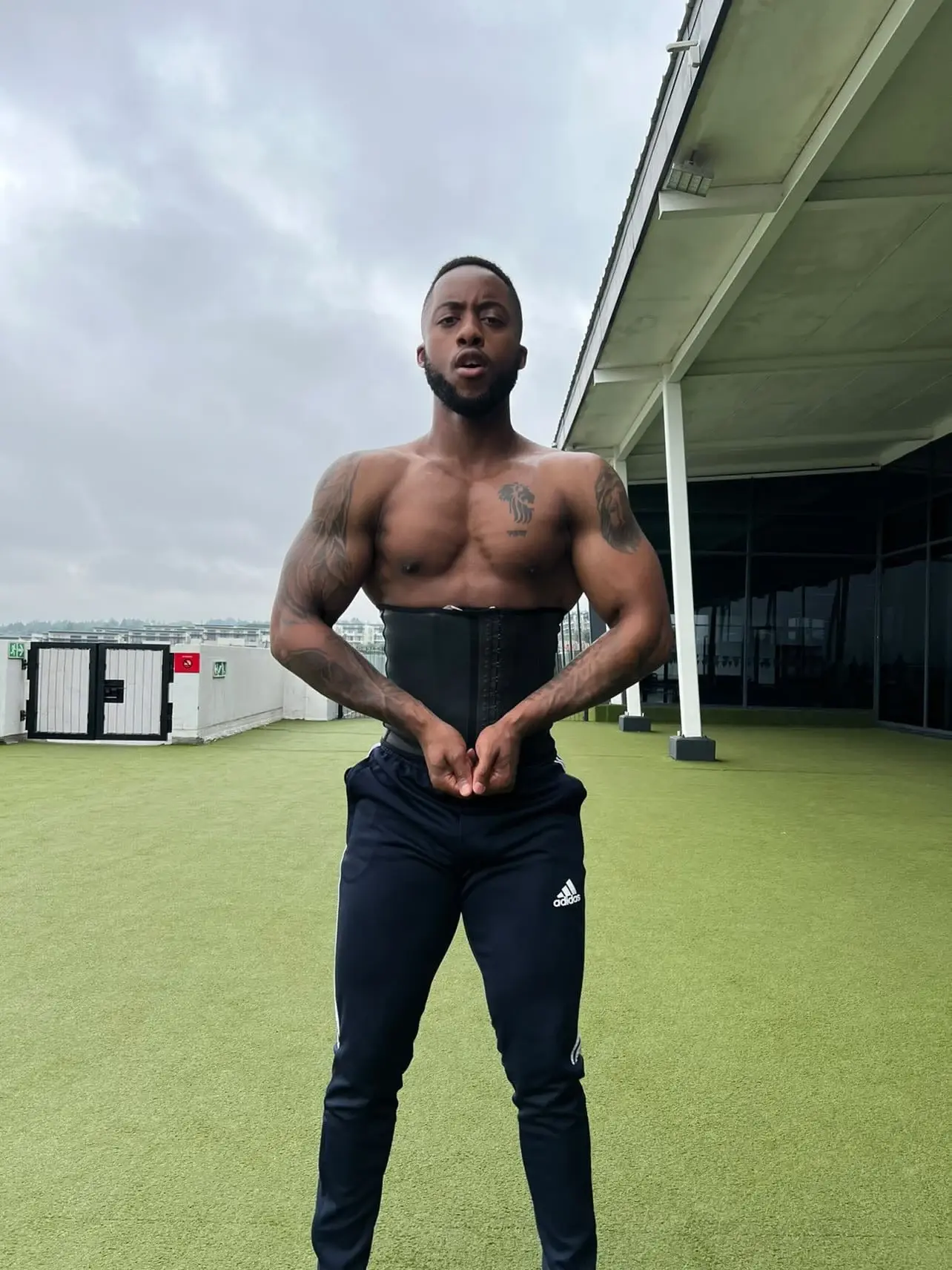
A weightlifting belt is a stiff, wide belt you brace your core against during heavy squats and deadlifts. A waist trainer is a compression band that shapes your waist and feels supportive while you wear it. Use a lifting belt for heavy lifts. Use a waist trainer for shape, everyday wear and lighter cardio days.
The two get mixed up because both wrap around your middle and both get called "support." They work in opposite ways, though, and wearing the wrong one for the job makes your session harder. We make waist trainers for men and women, and this is what we tell lifters who ask.
The quick difference
| Lifting belt | Waist trainer | |
|---|---|---|
| Main job | Something to brace against on heavy lifts | Shapes your waist while you wear it |
| How it works | You push your belly out into it | It squeezes your waist in |
| Build | Stiff leather or thick nylon, buckle, lever or strap | Latex or powernet, boning, hooks or zip |
| When it's on | Heavy working sets only | Hours at a time, workouts or everyday |
| How tight | Snug, with room to breathe into it | Firm hold from the start |
| Good for | Heavy squats, deadlifts, overhead press | Shape under clothes, posture feel, cardio and light circuits |
What does a lifting belt do?
Before a heavy rep, lifters take a big breath into their belly and brace. A belt gives that braced belly a wall to push against, which raises the pressure inside your abdomen and makes your torso stiffer. A 1989 study from the U.S. Army Research Institute of Environmental Medicine had lifters deadlift at 90% of their max with and without a belt, and found the belt raised peak intra-abdominal pressure.
What a belt doesn't do is guarantee you won't get hurt. StrengthLog's review of the research puts it plainly: there's no scientific evidence that a lifting belt prevents injuries. Most coaches save the belt for heavy sets, often quoted as around 80% of your one-rep max, and lift without it for warm-ups and lighter work.
What does a waist trainer do?
A waist trainer pulls your waist in for a more defined shape while it's on, and the firm panel makes many people more aware of their posture. That's why men wear the Men's V-Taper through a workday or under a fitted tee. It doesn't make you stronger, and the shaping stops when it comes off. Our men's waist trainer guide covers sizing and fit.
“Bought for my husband as he is prepping for a show in June and he loves the latex trainer”
Can you lift weights in a waist trainer?
For light work, yes. For heavy compound lifts, take it off. Bracing needs your belly to expand outward. A waist trainer is already squeezing your middle inward, so there's nowhere for that breath to go. You end up with a shallower brace and a harder rep, which is the opposite of what you want under a loaded bar.
- Fine in a trainer: cardio, stair-climber, walking lunges, machine work, light dumbbell circuits and accessory sets where you can breathe normally.
- Take it off: heavy squats, deadlifts, cleans, heavy overhead press, and any set where you'd normally reach for a belt.
- Stop either way if you feel dizzy, short of breath or overheated.
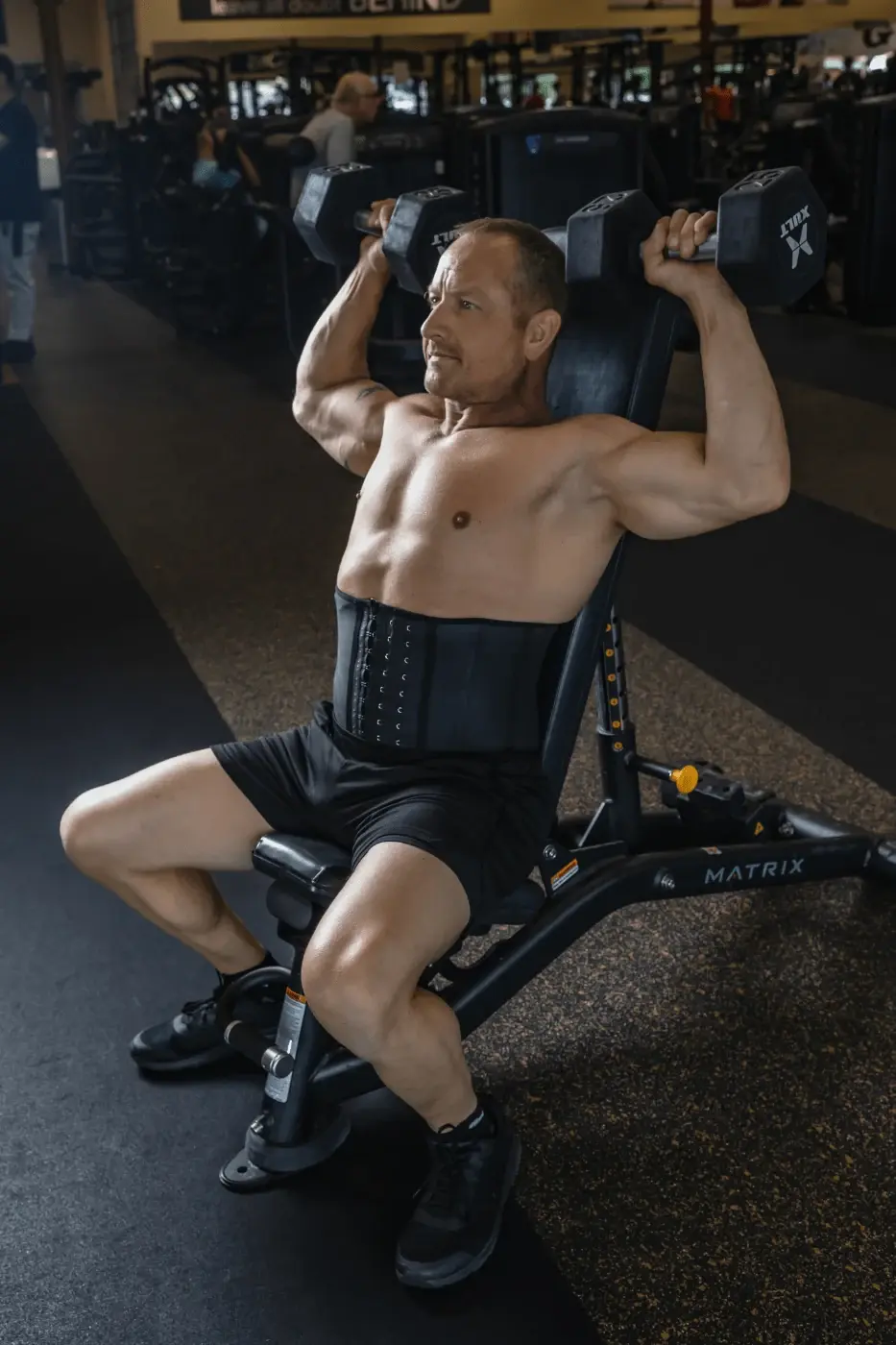
If you like the warm, hugged feel on training days, a neoprene-lined trainer suits it best. The Men's Neoprene Trainer is made for that, and women can choose the Neoprene Sweat & Sculpt or the flexible Active Sculpt. Our latex vs neoprene comparison explains the difference.
Should you wear a waist trainer and a lifting belt together?
We don't recommend it. A belt over a trainer means bracing against a waist that's already compressed, which cancels most of what the belt is for. Wear the trainer for cardio and lighter work, take it off for your heavy sets, and put the belt on for those.
Where the NeoFit Sweat Belt fits
The NeoFit Sweat Belt sits between the two. It's a flexible neoprene band with lower-back support, made for men and women. It adds warmth and a supportive feel on cardio days and lighter lifting days. It isn't a stiff powerlifting belt, so for max-effort lifts, use a proper lifting belt.
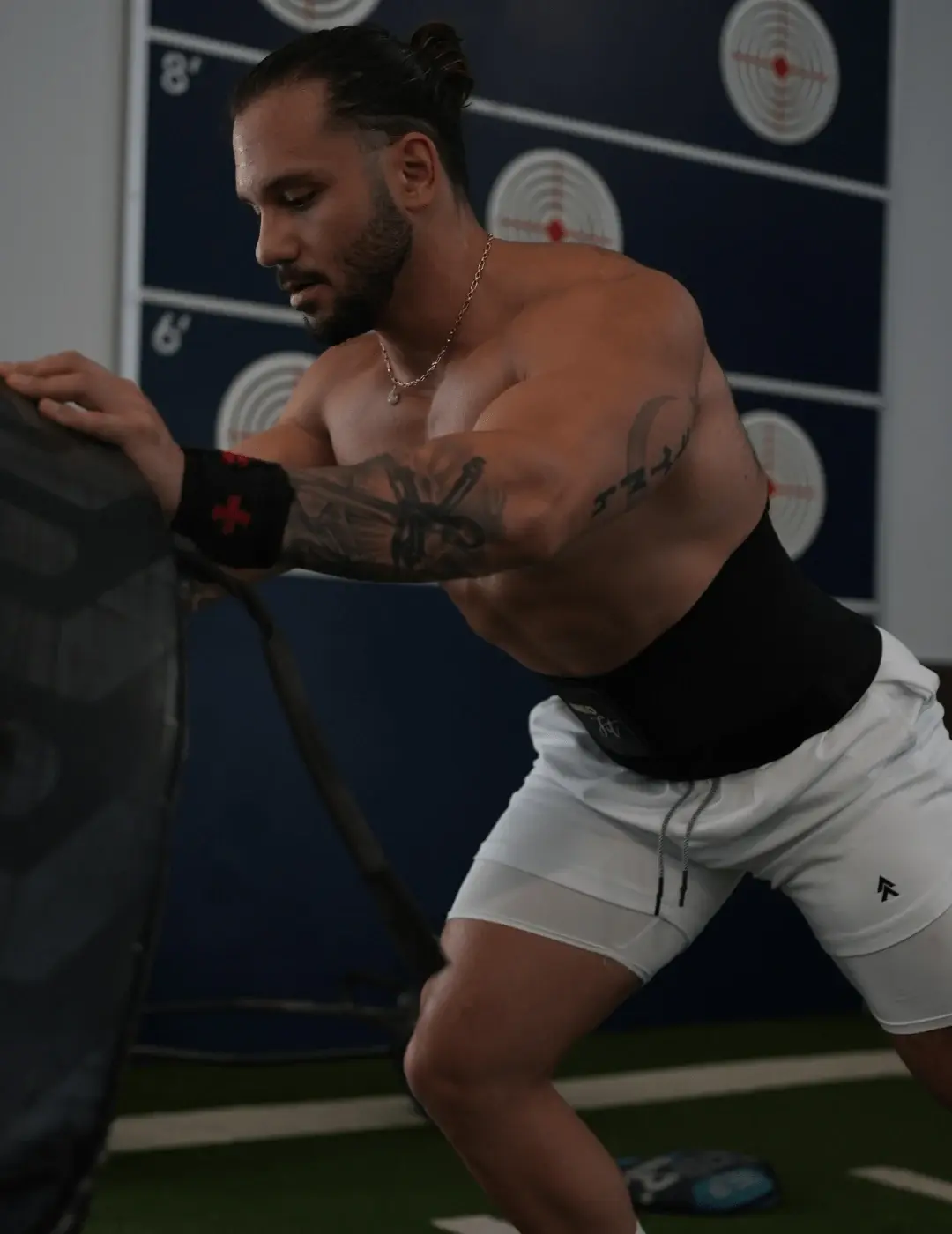
For training days
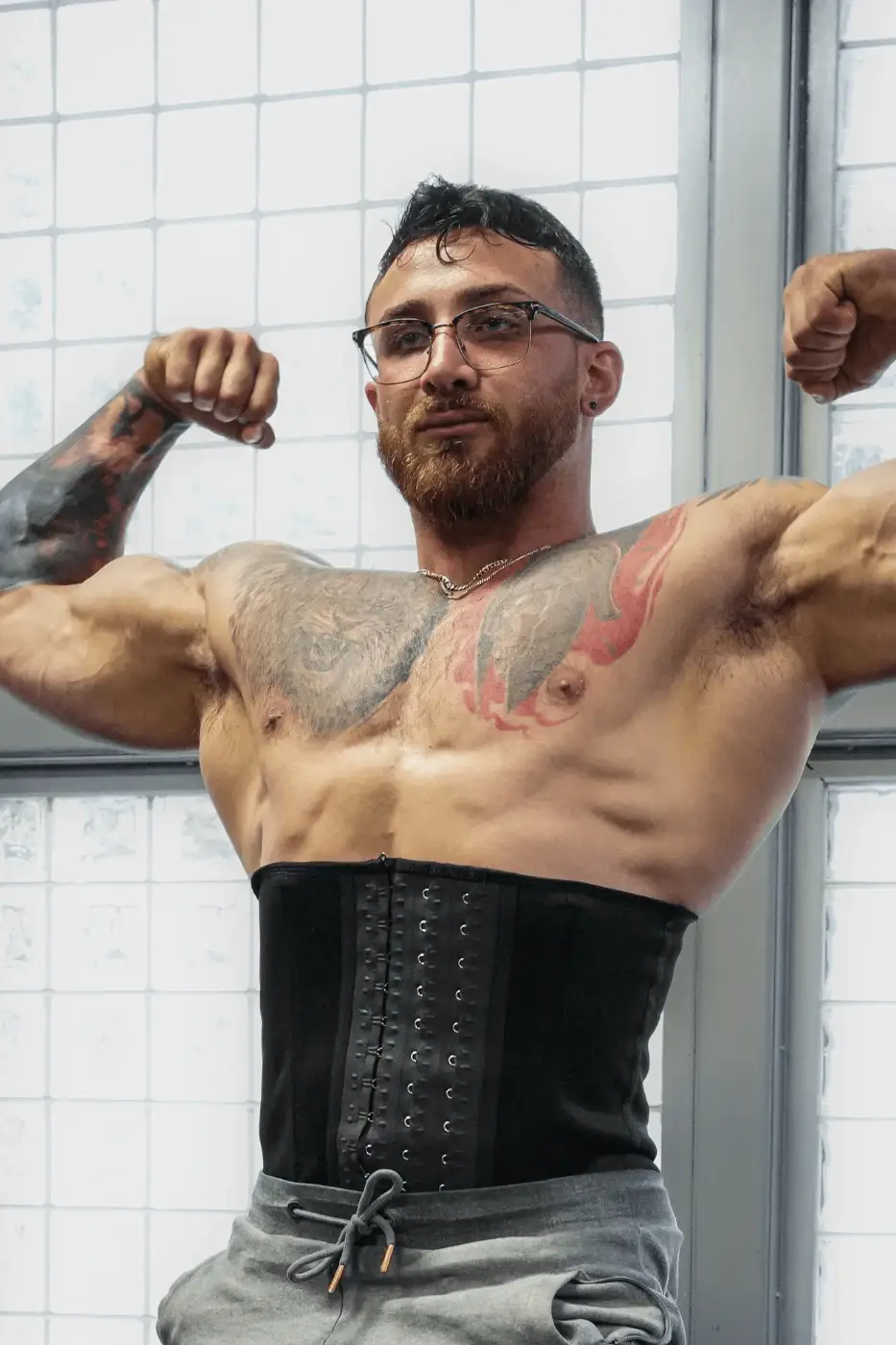
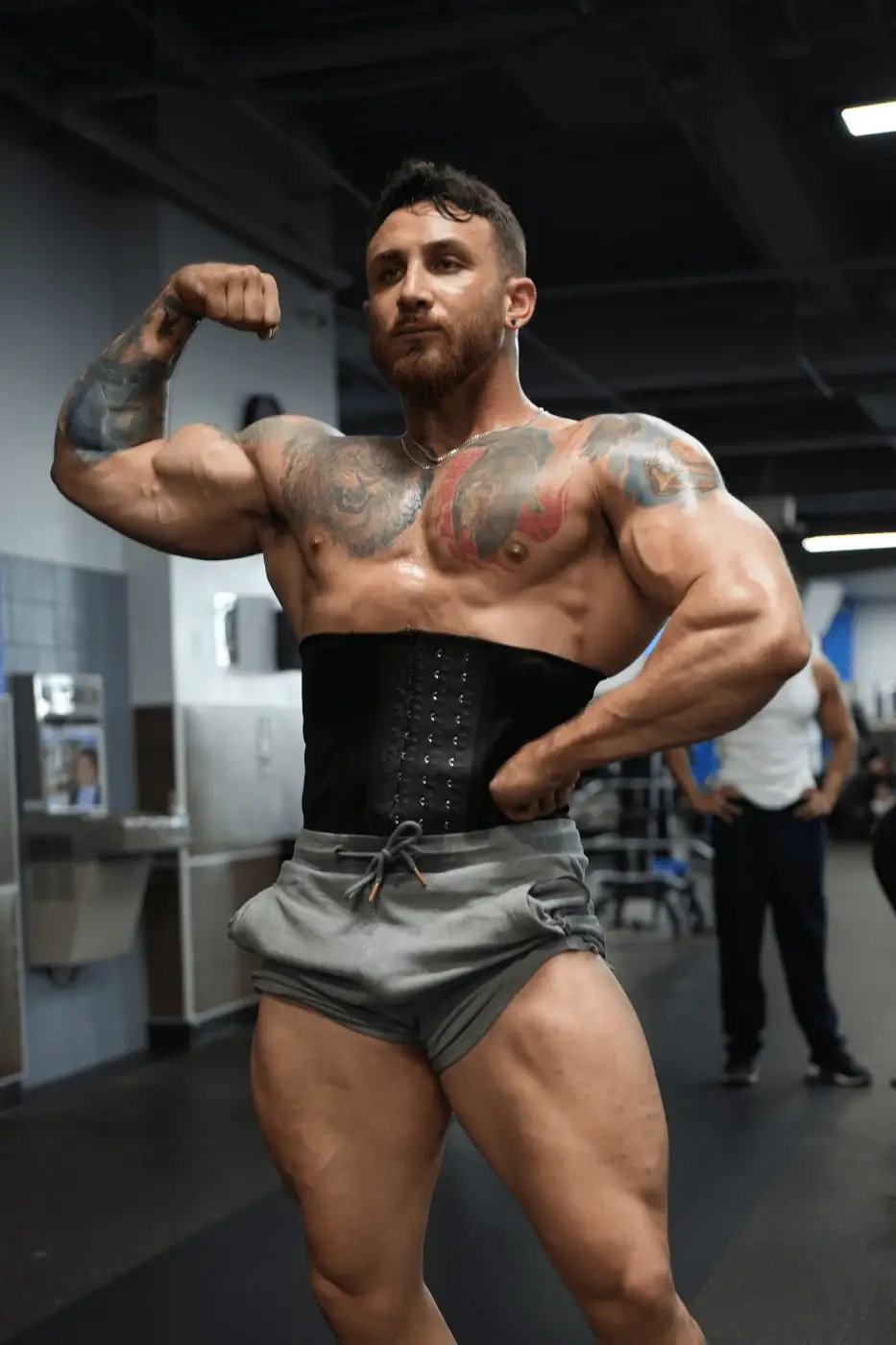
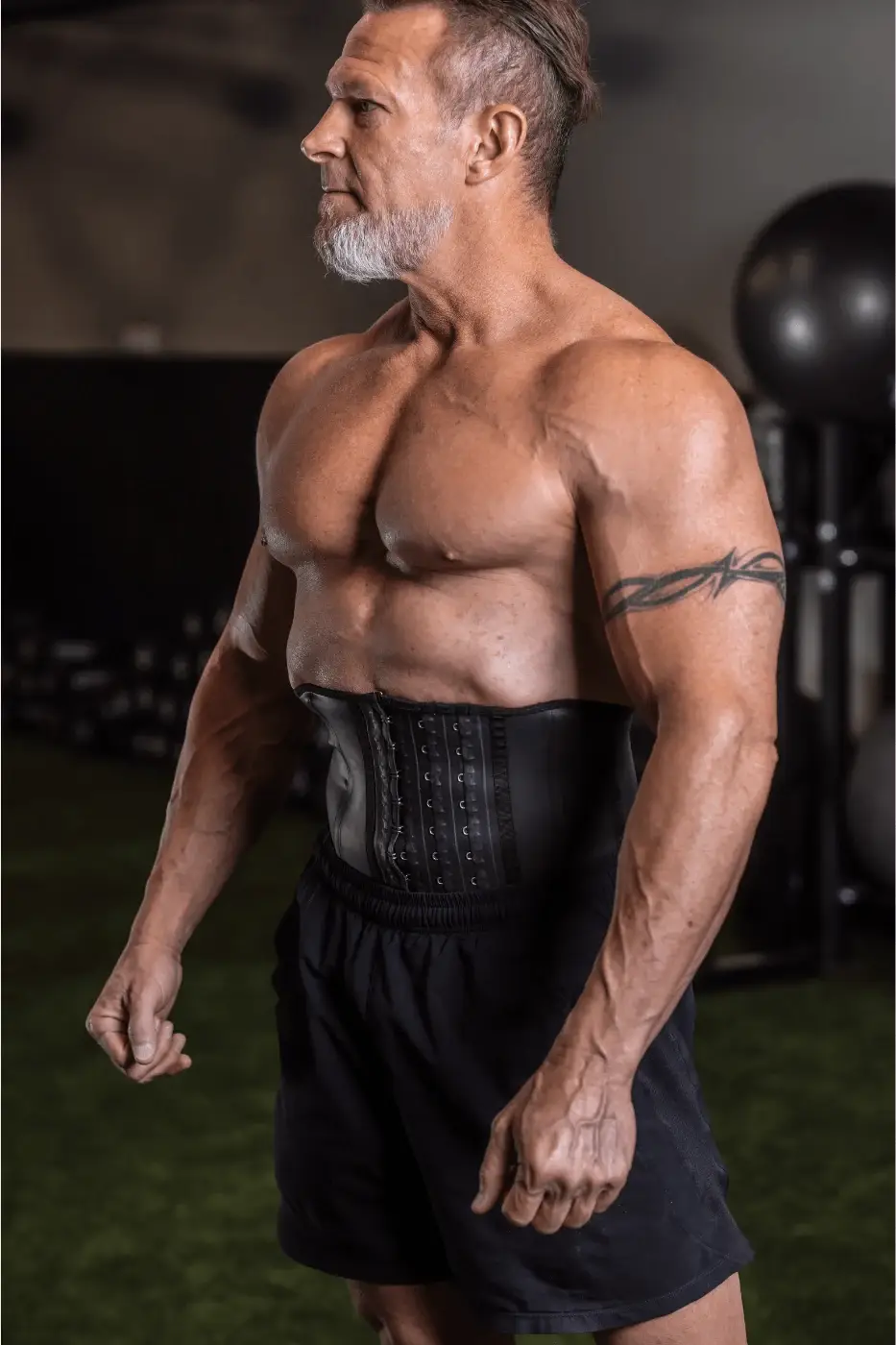
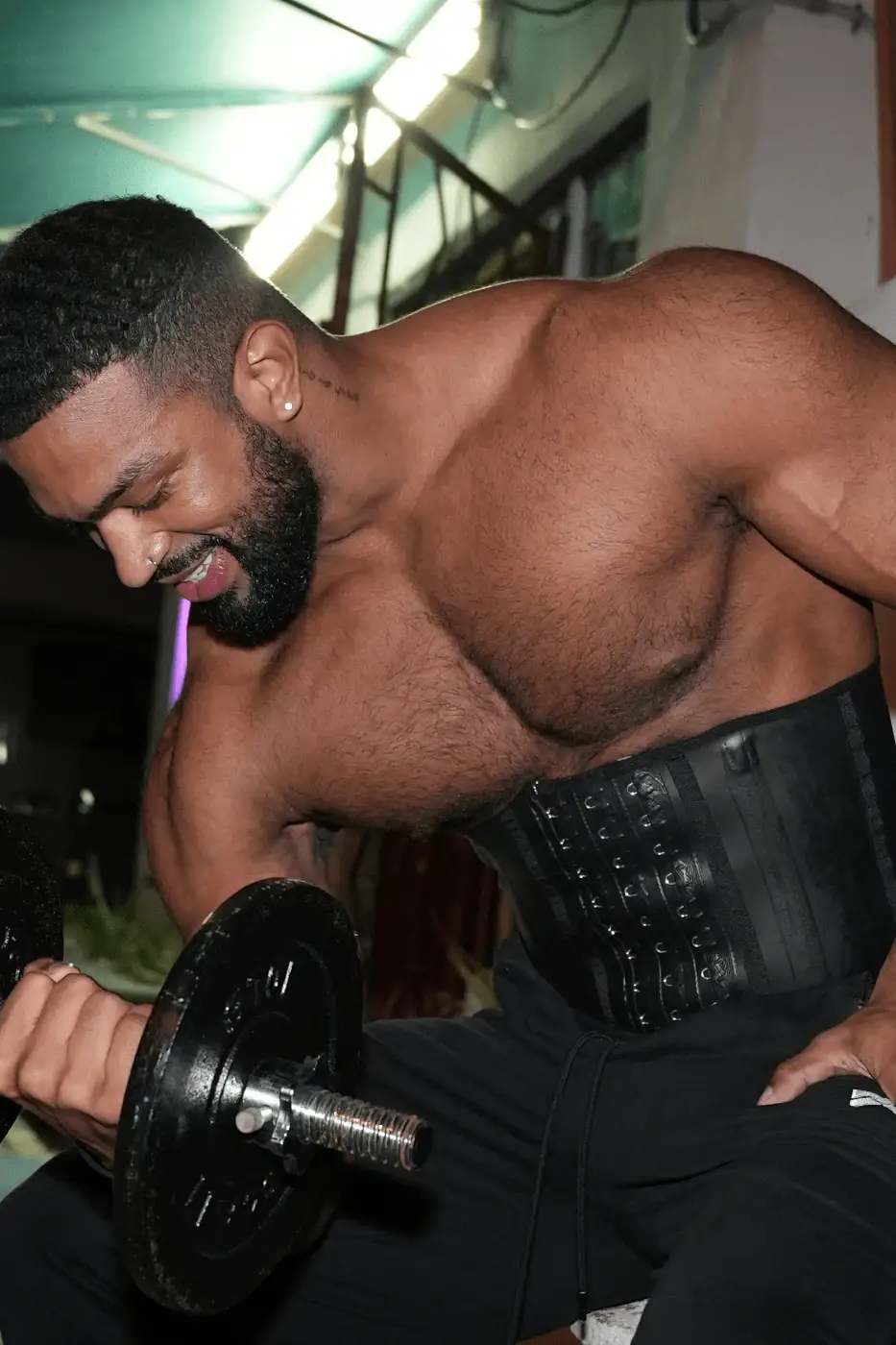
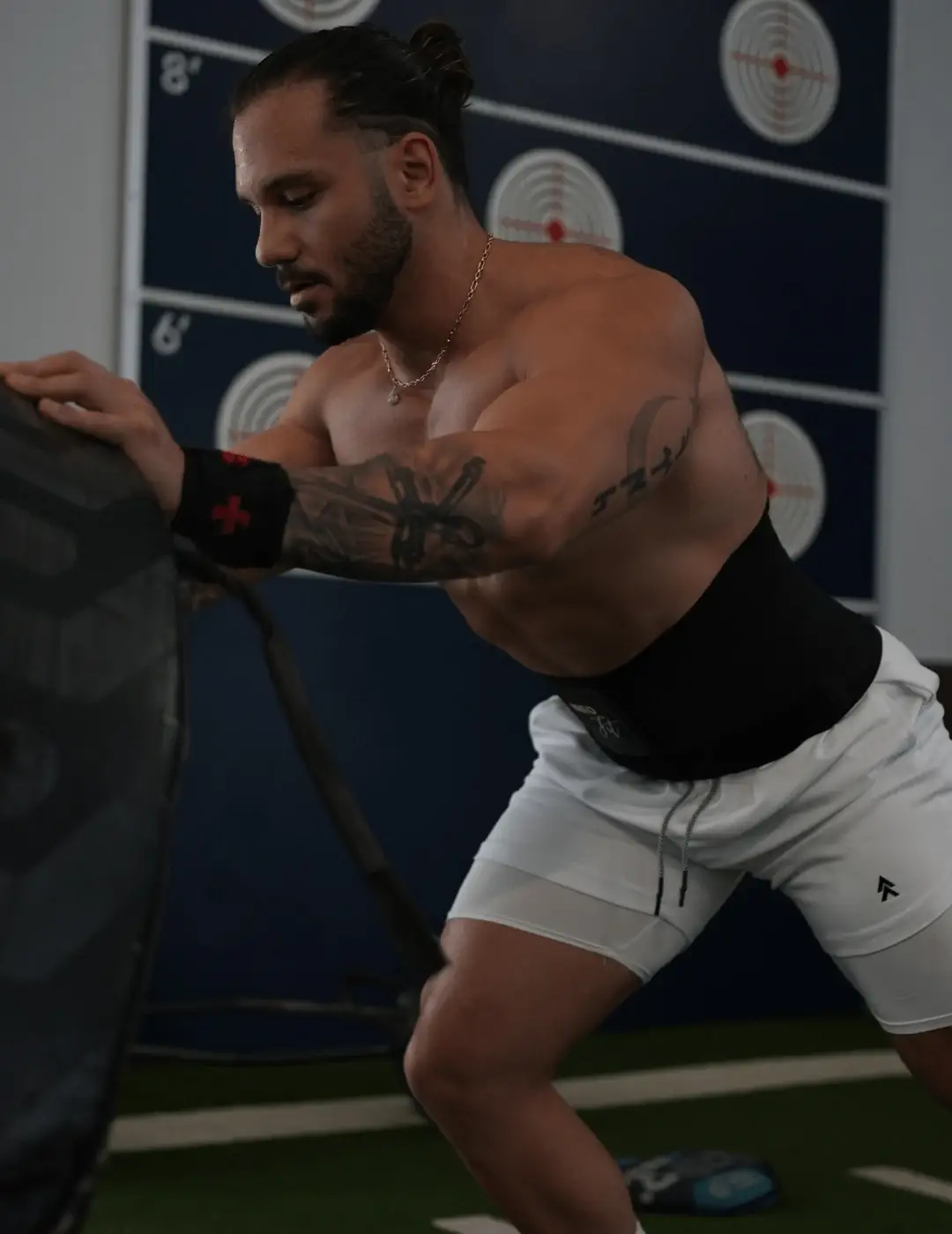
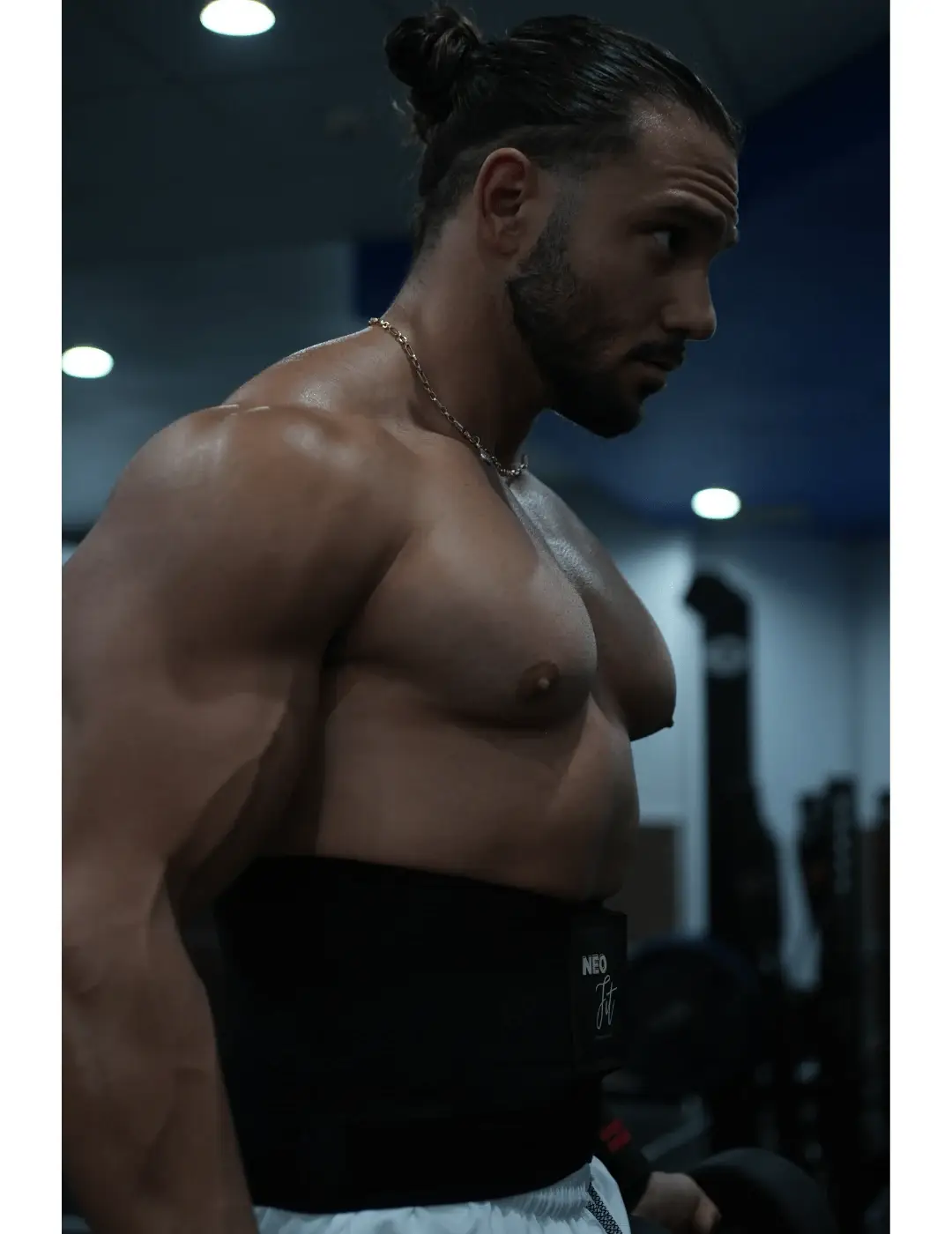
Need help with size or length? The Find My Fit quiz recommends a trainer for men or women in about a minute. Or shop the full men's collection.
Can I wear a waist trainer for deadlifts?
Not for heavy ones. A trainer stops your belly from expanding when you brace, so you get a weaker brace. Take it off for heavy sets and use a lifting belt if you normally would.
Can I wear a waist trainer and a lifting belt at the same time?
We don't recommend it. The belt works by giving your braced belly something to push against, and a trainer is already compressing it.
Is the NeoFit belt a lifting belt?
No. It's a flexible neoprene sweat belt with lower-back support, for cardio and lighter lifting. For max-effort squats and deadlifts, use a stiff lifting belt.
Do women need a lifting belt?
The same rule applies to everyone. If you're lifting heavy enough that bracing is hard, a belt can help on those sets. If you're not, you don't need one.
Does a lifting belt make your core weaker?
StrengthLog's review of the research found no evidence that using a belt for heavy sets weakens your core. Most lifters still train without it on lighter sets so they practice bracing on their own.