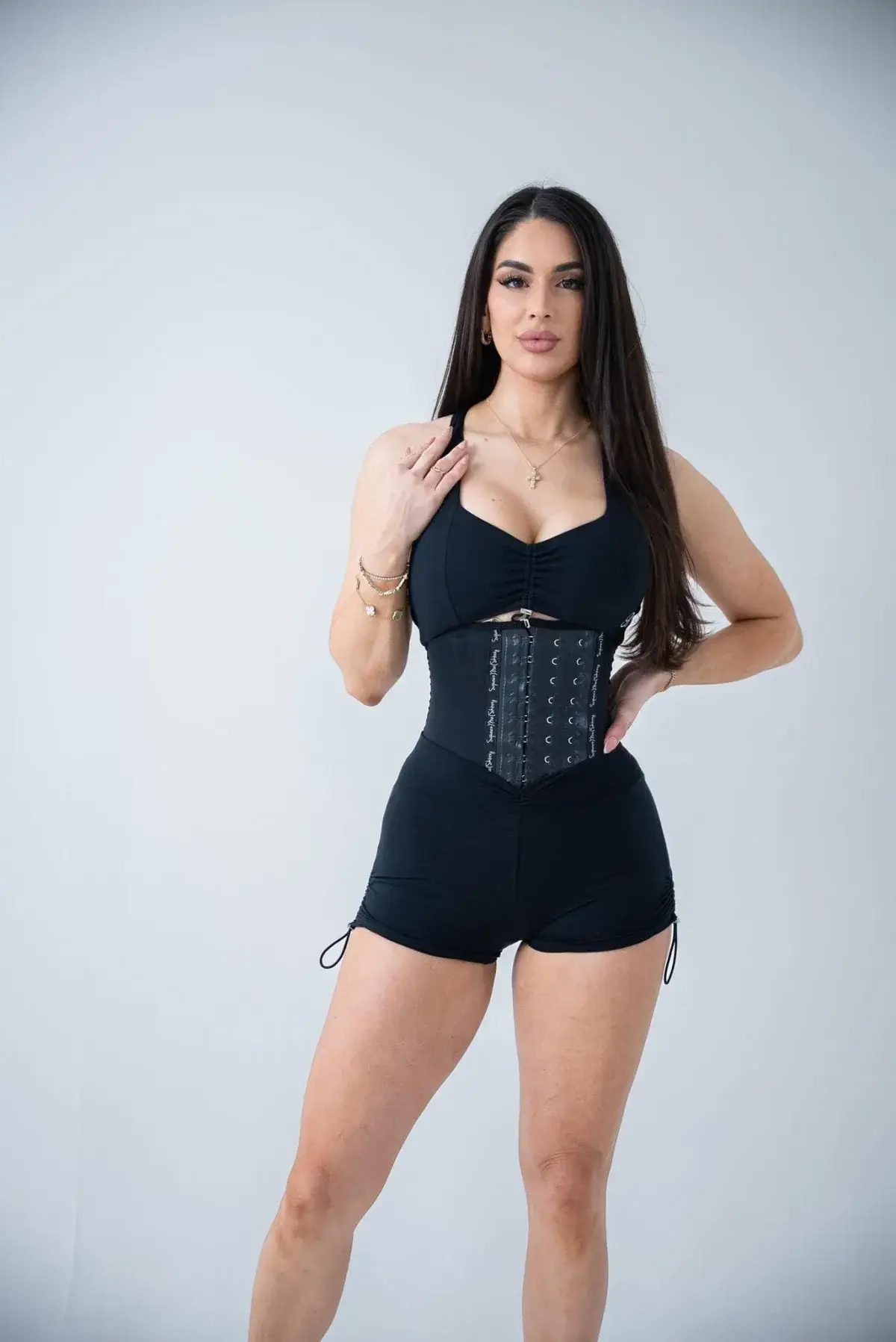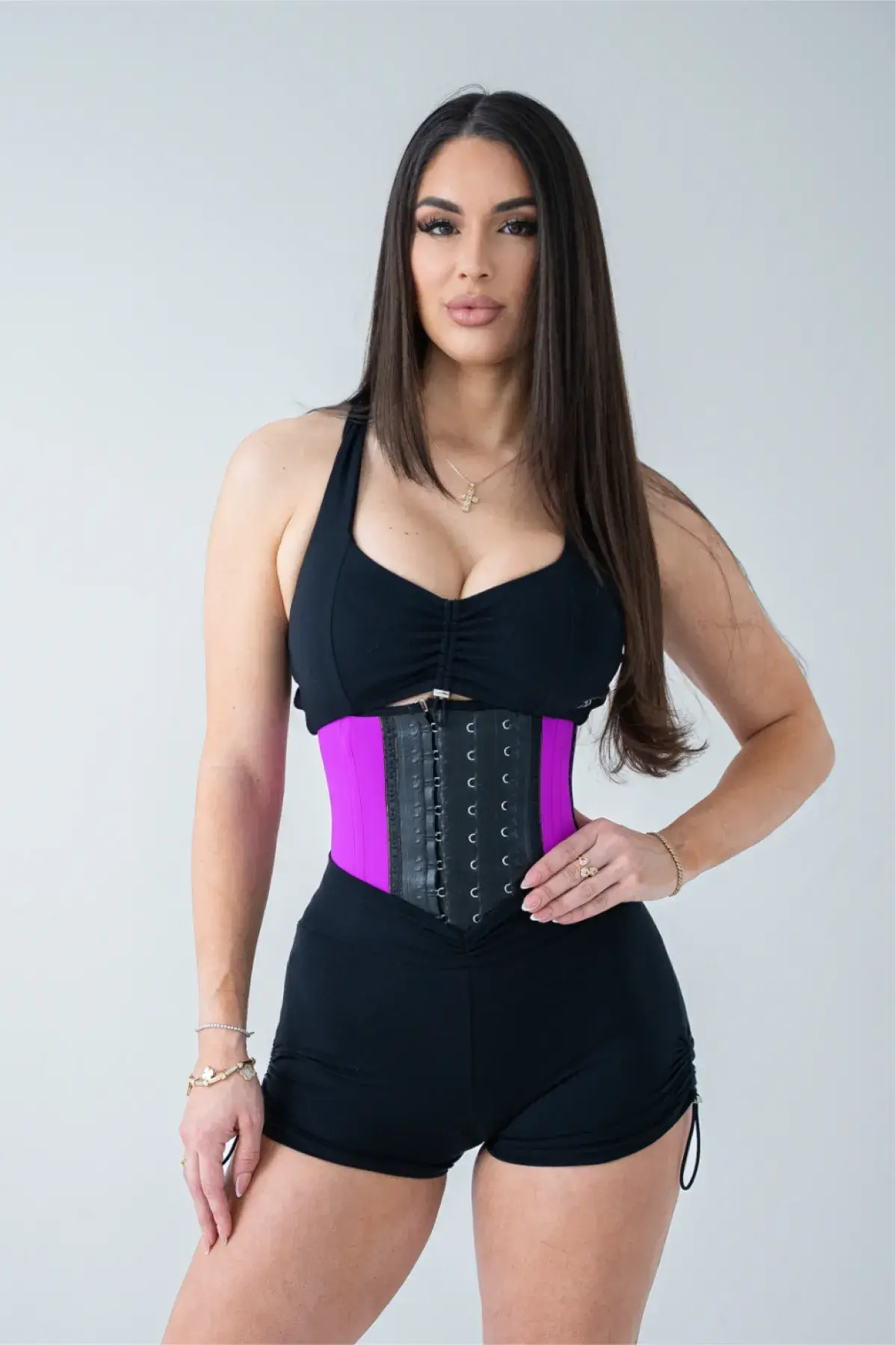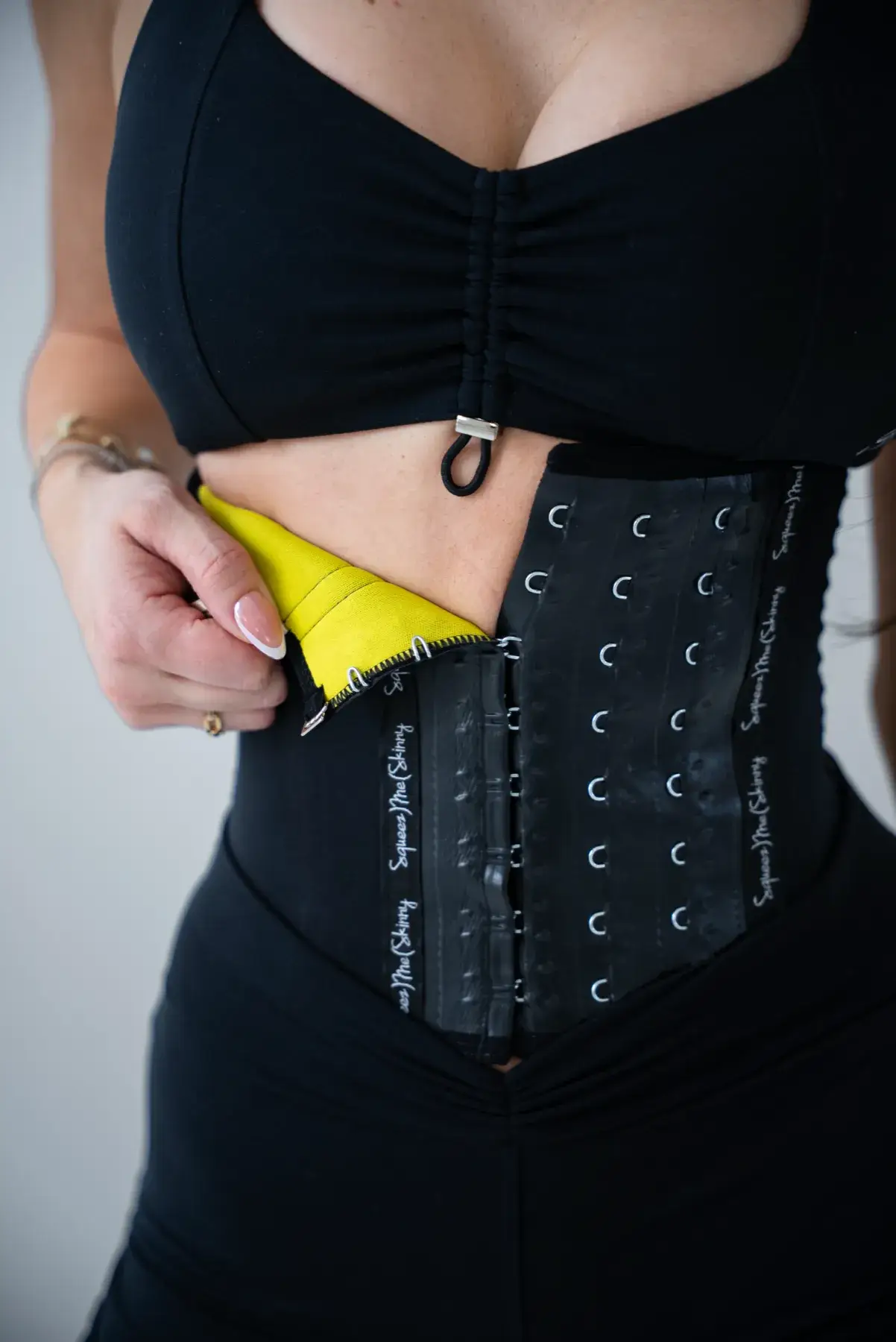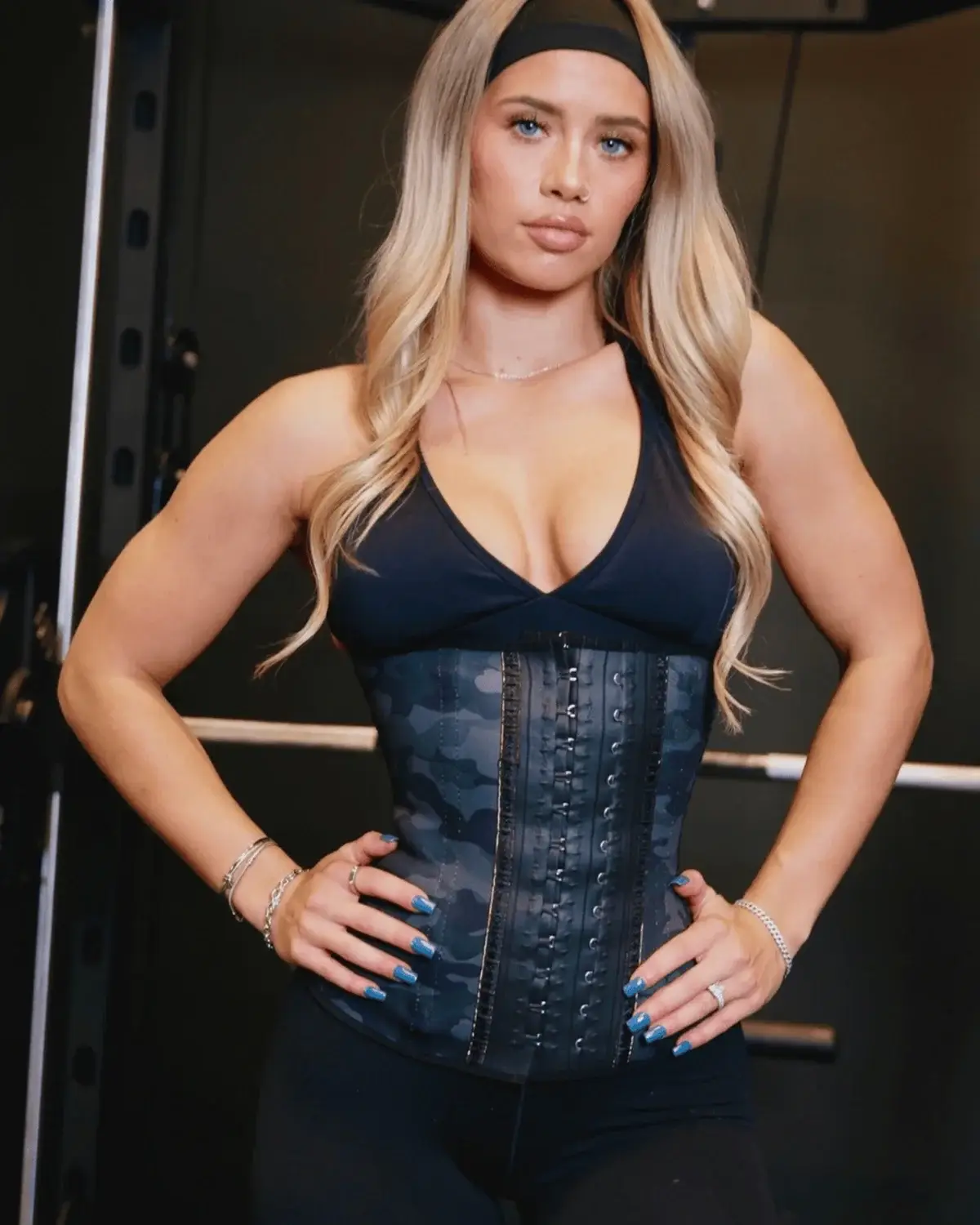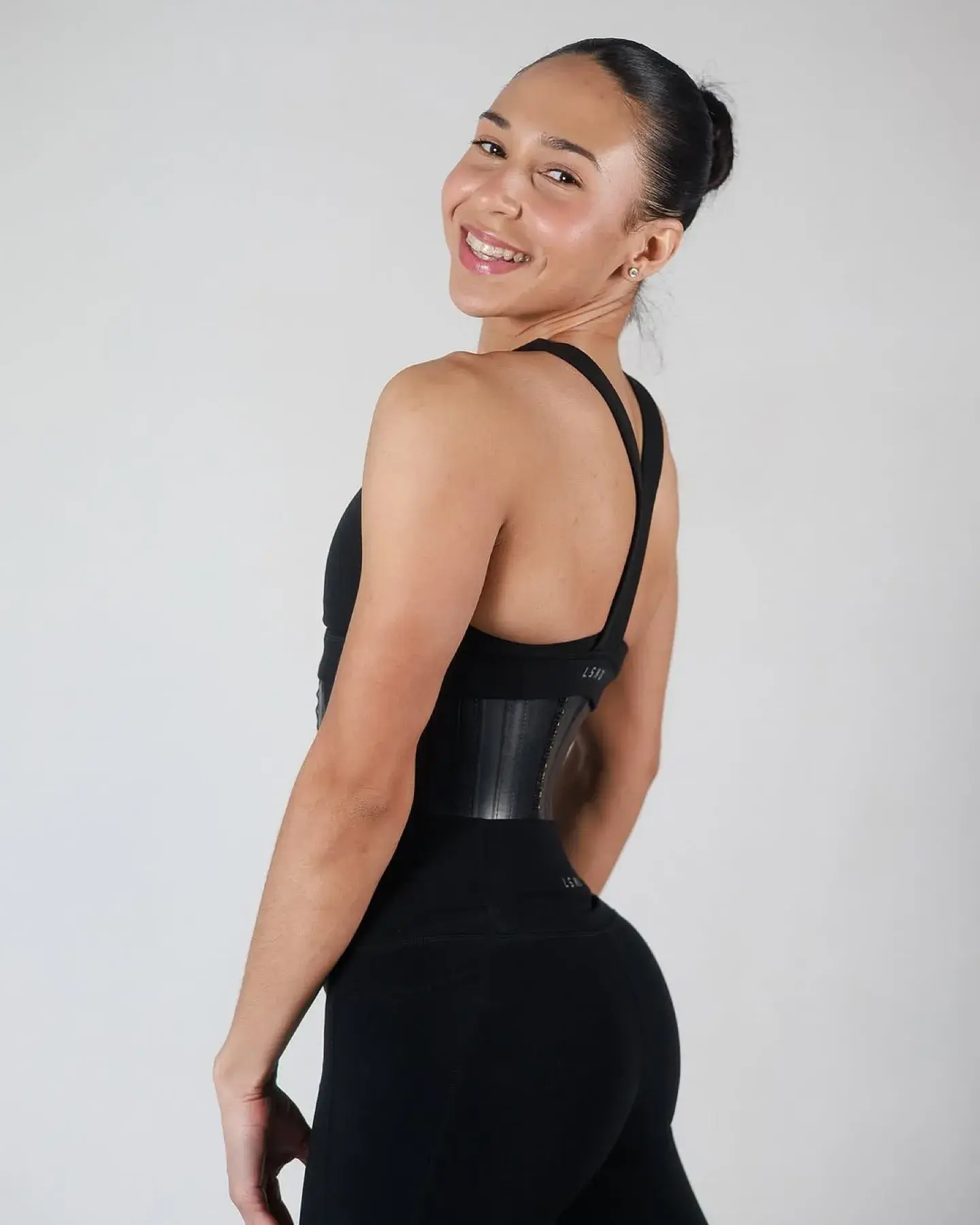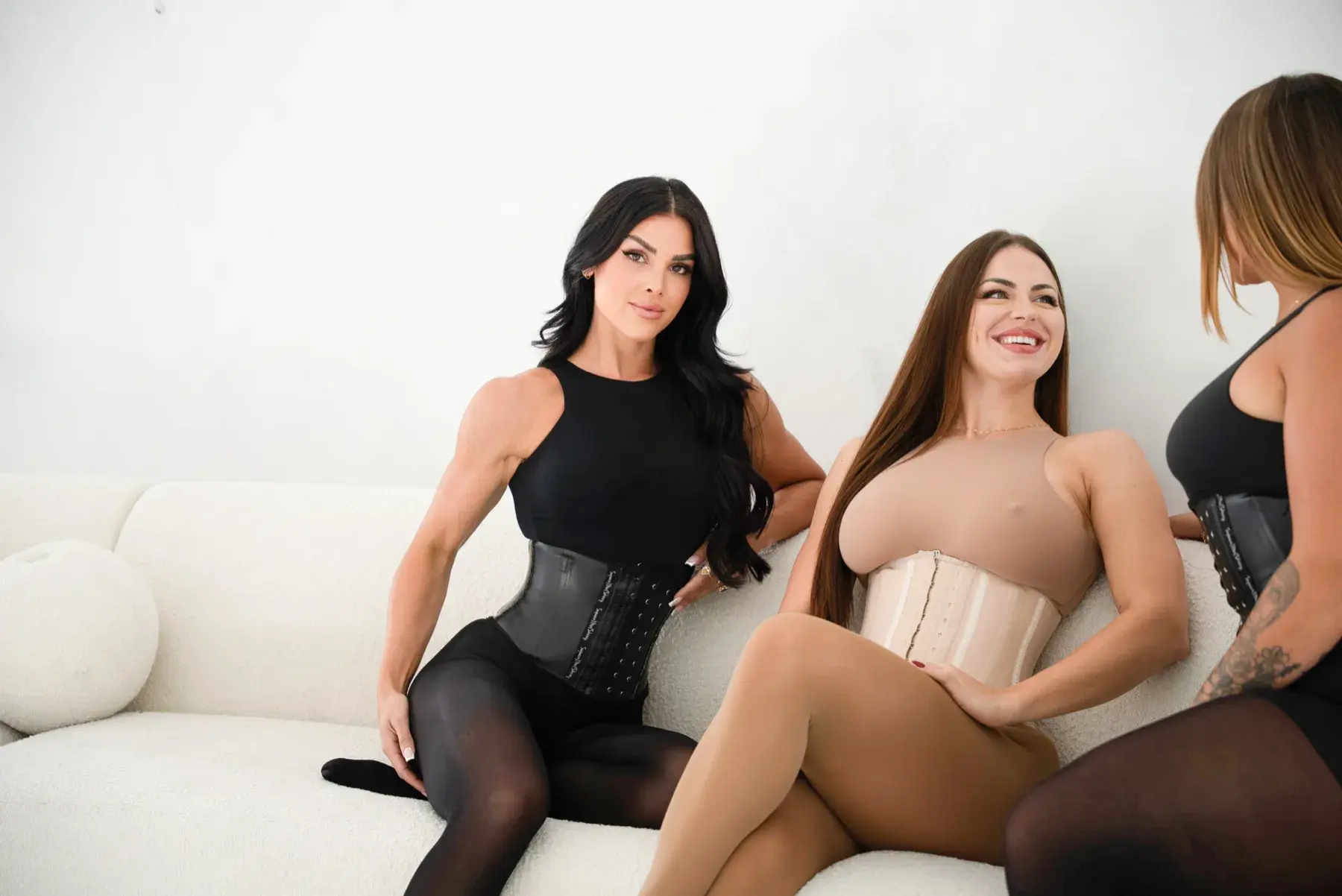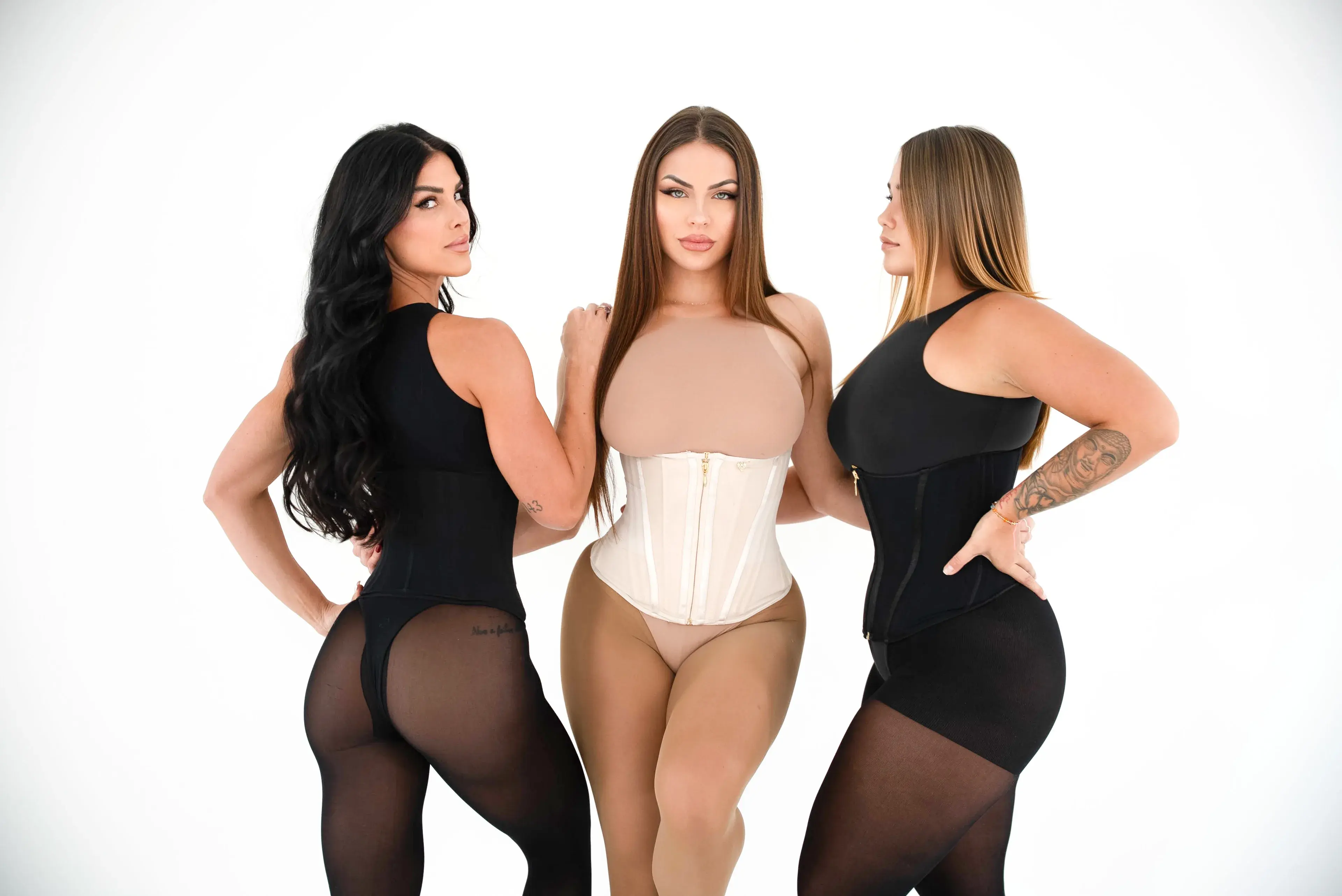
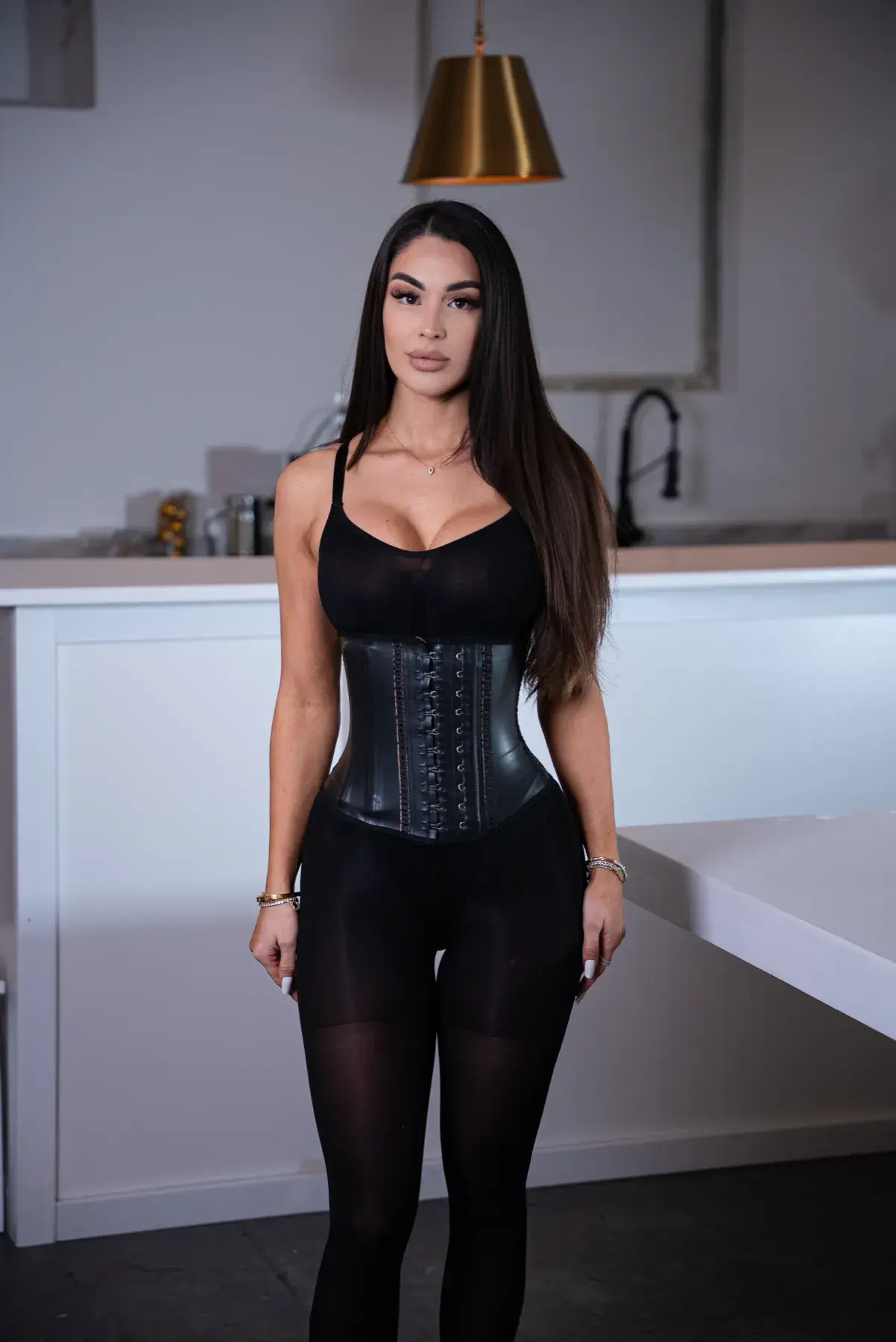
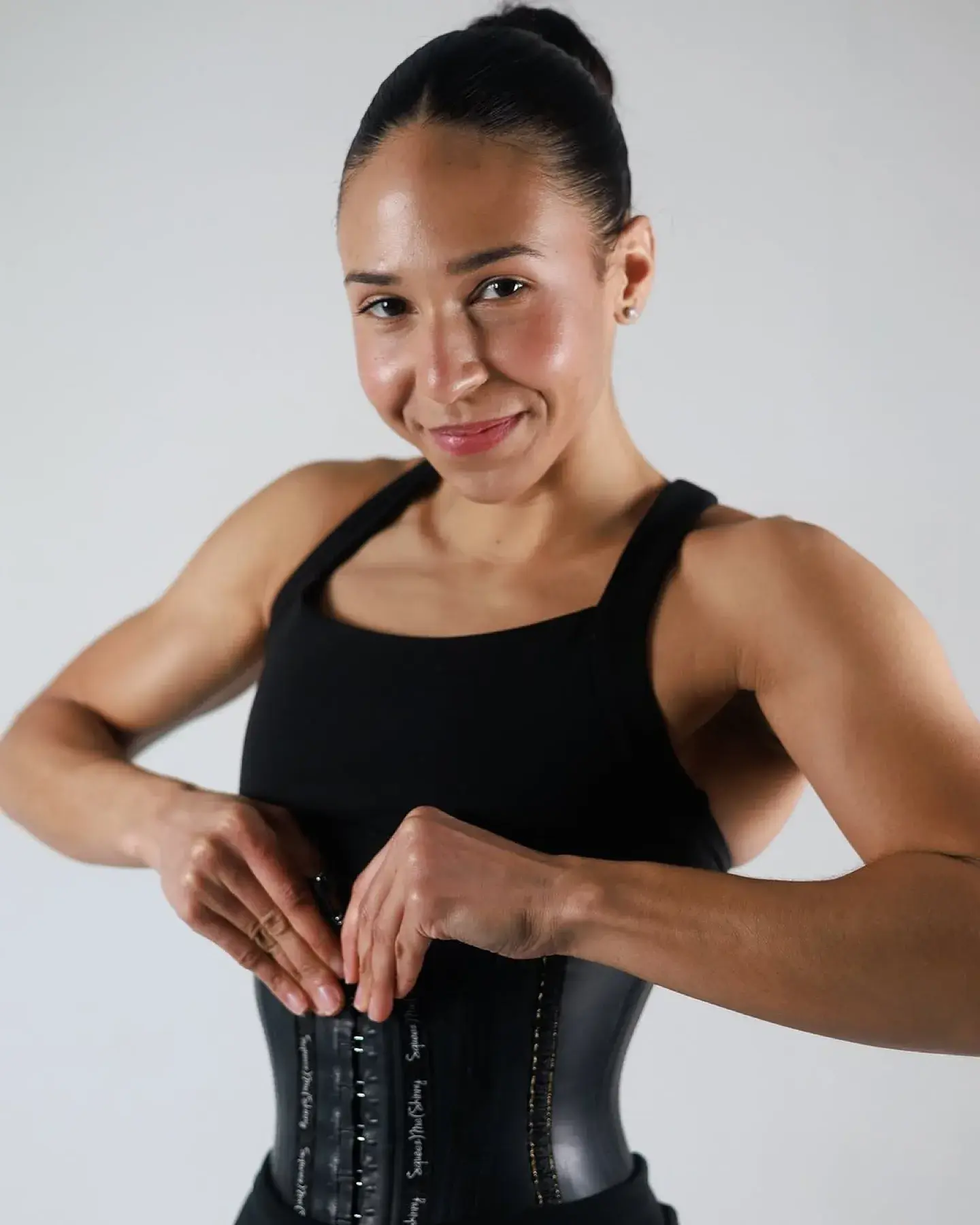
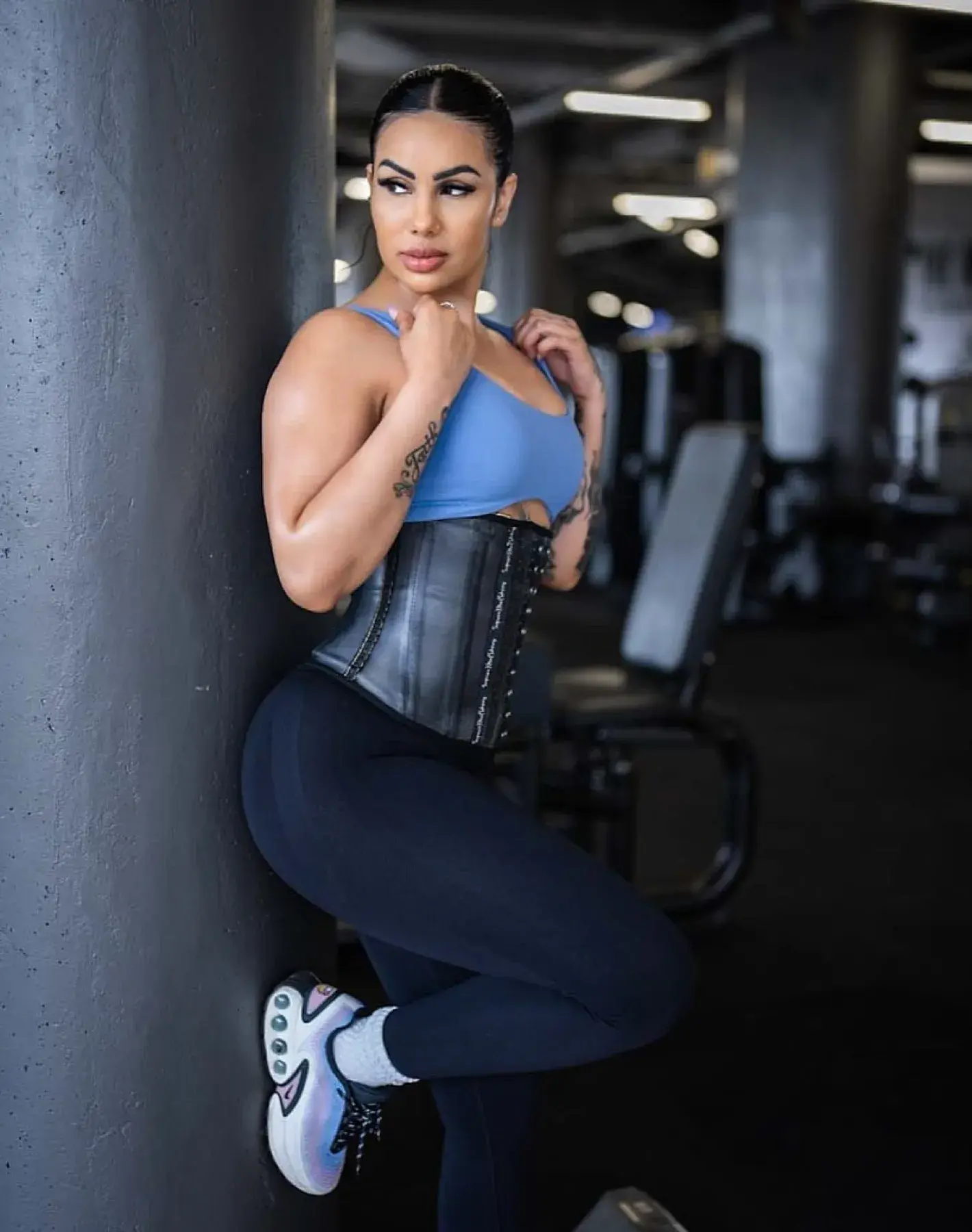
You can, for the right kind of workout, if it fits well and you can still breathe fully. A waist trainer adds compression and a feeling of core support, and many people like how it feels for cardio, stair climbing and circuits. Skip it for heavy lifts and anything where you need a full, deep breath, and take it off if breathing feels restricted. It doesn't replace bracing your core, and the extra sweat is mostly water.
Here's the honest version, from a brand that makes workout waist trainers. For the basics of putting one on, see how to wear a waist trainer.
What it does at the gym (and what it doesn't)
What it does: it compresses and shapes your waist while it's on, and the firm panel gives you a feeling of support around your middle. Some customers say it helps their posture.
“Super tight and makes me feel sexy sexy. Helps with my posture. The material is amazing. I love this brand. Your paying for quality... not quantity.”
What it doesn't do: it doesn't change how much body fat you have, and it doesn't make a workout count for more. It also doesn't brace your core for you. Your own muscles still do that work, and you still need to learn to brace properly.
Some health sources go further and advise against wearing a waist trainer during exercise at all. Cleveland Clinic notes that a trainer squeezes your ribs and can make breathing harder, and Medical News Today describes a small 2018 report where people had shortness of breath and more pain when wearing one during a breathing test that simulated exercise. We think that's worth knowing before you decide. If you wear one to train, keep it to the workouts below and listen to your breathing.
Workouts it suits
- Steady cardio: walking, incline treadmill, the bike, the elliptical.
- Stair climber: the Neoprene trainer was made with stair-climber days in mind.
- Light circuits: bodyweight moves and light weights at a pace where you can still talk.
- Warm-ups: before you take it off for heavier work.
A simple check: if you can't say a full sentence, slow down or loosen a row of hooks. If that doesn't help, take it off.
“I’m 5”4 curvy 157 lbs and a medium fit amazing. One of my gym friends who is a competitor told me about this and I’m glad I got it :)”
When to skip it
- Heavy lifts. We don't recommend a waist trainer for heavy squats, deadlifts or presses. Those lifts need you to take a big breath and brace, and a trainer gets in the way of that.
- All-out efforts. Sprints, high-intensity intervals and anything that leaves you gasping.
- Deep bending and twisting. Some yoga, floor work and core exercises that fold you in half.
- Swimming and hot environments. Saunas and hot yoga add heat you don't need.
- Any time you feel unwell. Dizziness, numbness, pain, heartburn or shortness of breath mean take it off now.
If you're pregnant, postpartum, or managing a heart, breathing, back or digestive condition, ask your doctor before wearing a trainer to exercise.
Fit for movement
A trainer that's fine at a desk can dig in during a squat. Two things matter most for workouts:
- Length. When you squat or lunge, the space between your ribs and hips gets shorter. If you're between two lengths, the shorter one gives your hips more room. Our torso length guide explains how to measure.
- Flexibility. A flexible latex trainer bends with you. A very firm trainer is built for standing and sitting, not for squats.
Start on the loosest row of hooks for your first sessions, even if you wear a tighter row at other times. See how tight a waist trainer should be for the breathing test.
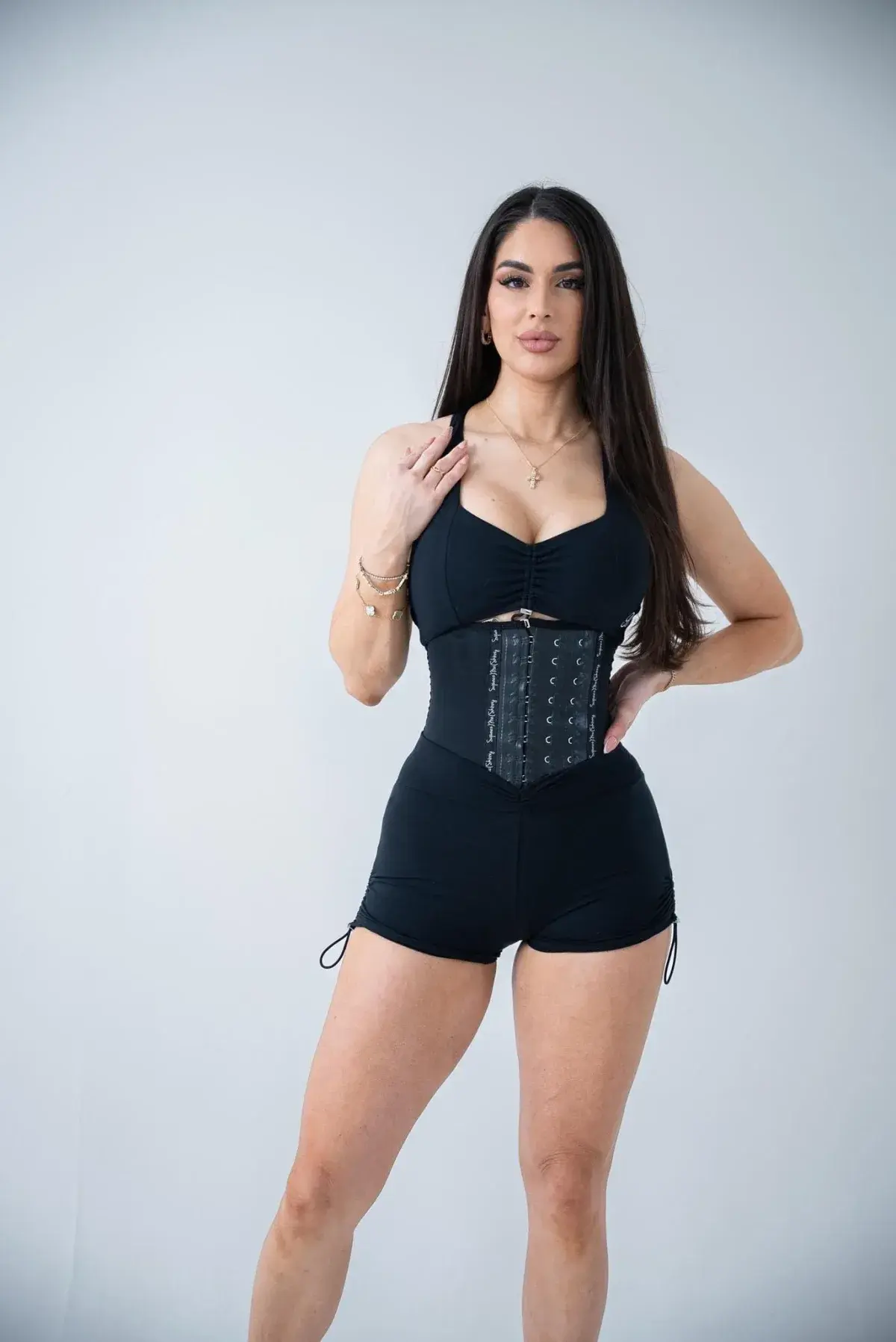 Active Sculpt Waist TrainerFlexible latex that bends through squats and cardio, with three rows of hooks. Comes in 8", 10" and 12", so you can pick the length that moves with you.From $79Shop
 Neoprene Sweat & Sculpt TrainerA neoprene lining for heat under a latex outer. Made for cardio and stair-climber days when you want to feel warm through your core.From $79Shop
Hydration
A trainer, especially one with a neoprene waist trainer lining, traps heat, so many people sweat more in one. That sweat is mostly water and electrolytes. Cleveland Clinic notes that much of the weight lost through sweating returns once you rehydrate. So treat extra sweat as a reason to drink more water, not as a sign of anything else.
- Drink water before, during and after your session.
- Take the trainer off if you feel overheated, dizzy or lightheaded.
- Let your skin dry and air out the trainer after every workout.
Workout trainer vs everyday trainer
| Workout trainer | Everyday trainer | |
|---|---|---|
| Built for | Movement: cardio, circuits, warm-ups | Long days of sitting and standing |
| Feel | Flexible, bends with you | Firm, smooth hold under clothes |
| Our picks | Active Sculpt, Active Sculpt Designs, Neoprene | Daily Sculpt, Triple Compression |
| Best length | Often the shorter of two options | The one your measurement says |
Some customers own more than one trainer. If you only want one, pick for what you'll do most. The Active Sculpt Designs are the same flexible fit in limited prints, and the everyday waist trainers are there for the rest of the week.
“I own multiple trainers in different sizes for prep season. I have my family investing in squeeze me skinny as well!”
Does a waist trainer help you sweat more?
Often, yes, especially one with a neoprene lining. That sweat is mostly water and electrolytes, and much of the weight it accounts for comes back when you rehydrate. Drink plenty of water.
Can I lift heavy in it?
We don't recommend it. Heavy lifts need a full breath and a strong brace, and a waist trainer gets in the way. Take it off for your heavy sets.
Neoprene or latex for the gym?
Both work for cardio. Choose neoprene if you like extra warmth through your core, and a flexible latex trainer like Active Sculpt if you want the most freedom to move. Compare them in neoprene waist trainers and workout waist trainers.
Should I wear it for my whole workout?
Only while it's comfortable and you can breathe fully. Many people wear it for cardio and take it off for strength work. Training men can find their fit in our men's waist trainer guide.
Results vary. Waist trainers provide temporary shaping while worn and work best alongside regular exercise and balanced nutrition. Not a medical device. Consult a healthcare provider if you are pregnant, postpartum, or managing a medical condition.