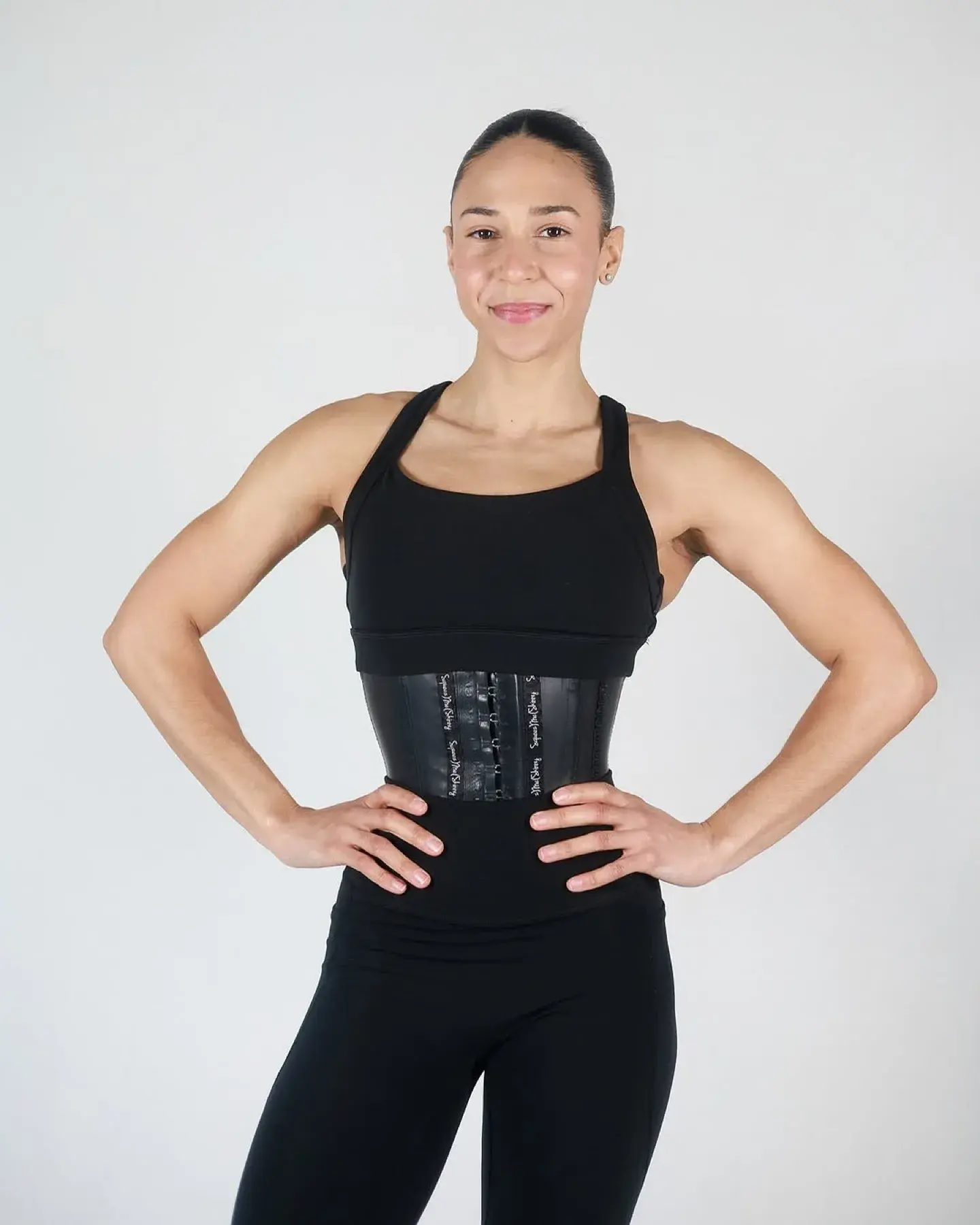

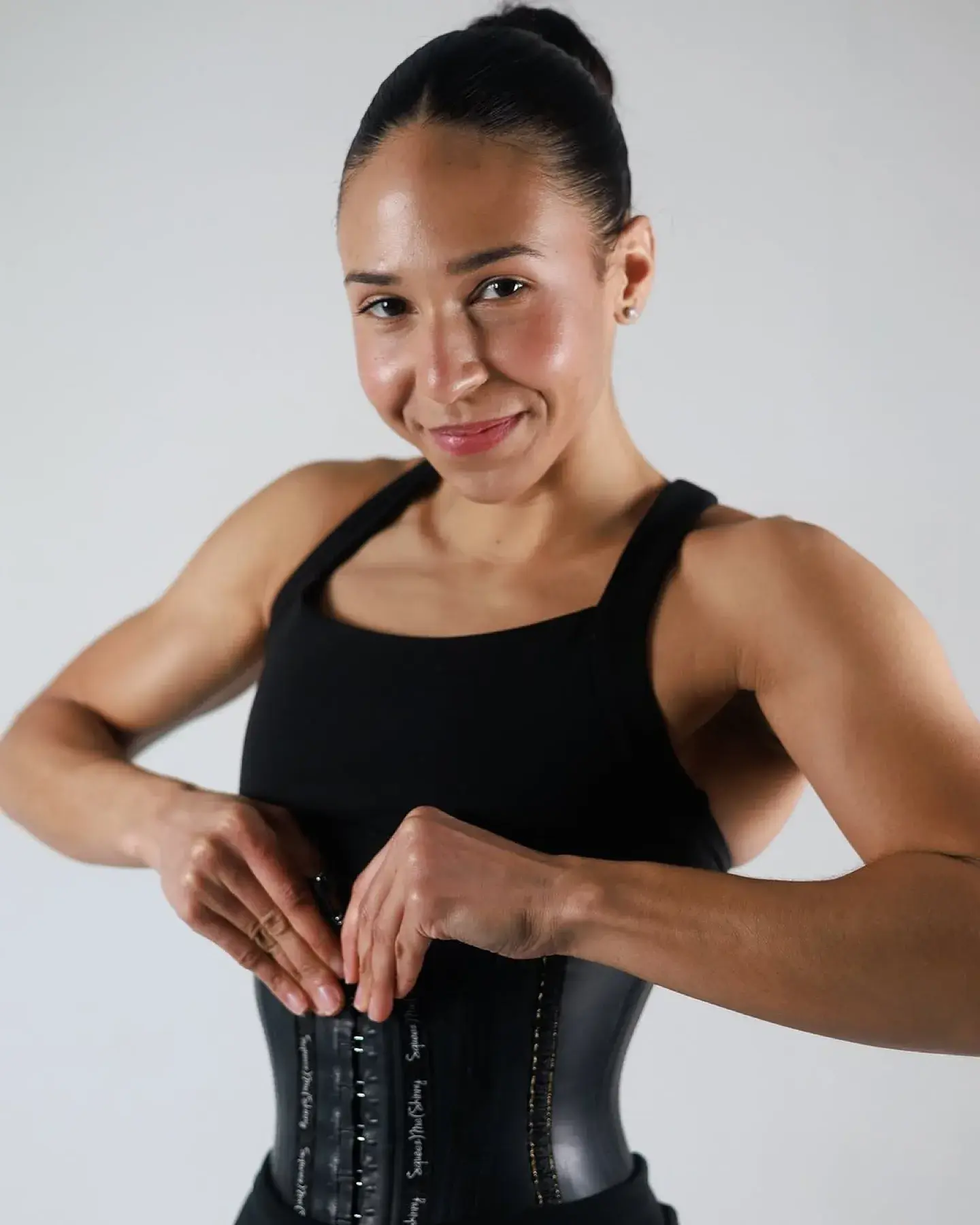
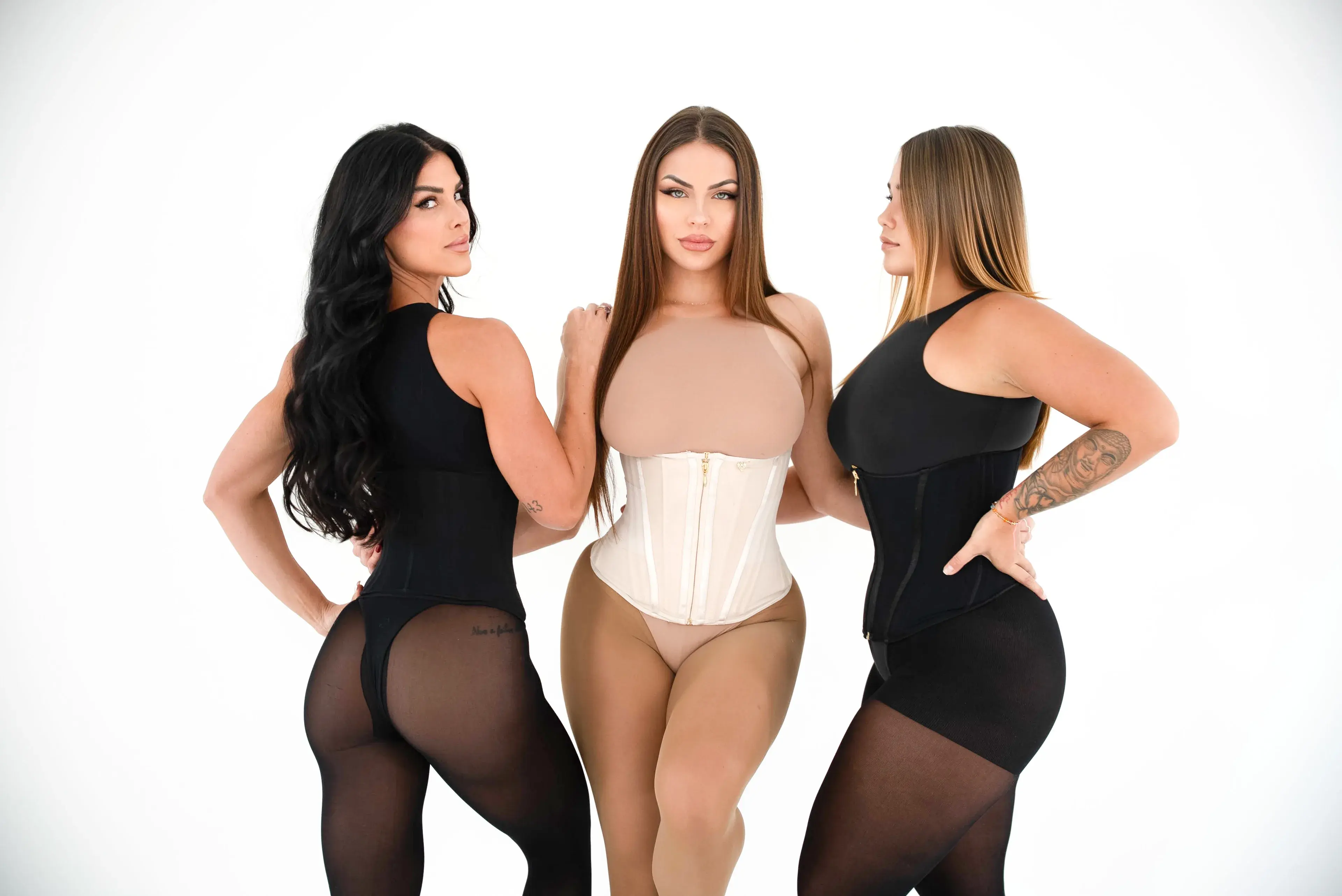
Yes, for what they're made to do. A waist trainer compresses and shapes your waist while you wear it, and many people like the posture and core support it gives during workouts and long days. No, if you're hoping for a lasting change. A waist trainer doesn't change your body fat, and the shaping stops when you take it off. Any change over time comes from training and nutrition.
We make waist trainers, so you might expect a sales pitch here. This is the honest version instead, because you'll find out the truth the first time you take one off, and we'd rather you hear it from us.
The short answer
| Does | Doesn't |
|---|---|
| Shapes your waist while it's on | Change your body fat |
| Gives a feeling of core and posture support | Keep you shaped after you take it off |
| Smooths your shape under clothes | Replace training and nutrition |
| Feels supportive to many people during workouts | Do the work of bracing your core for you |
Cleveland Clinic puts it the same way: what a waist trainer achieves is temporary.
What a waist trainer does
Shapes you while you wear it
A trainer is a firm band of latex or powernet with boning and hooks. When you close it, it pulls your waist in and gives you a more defined, hourglass look. That effect is real and immediate, which is why people love them under a fitted dress or for a night out.
“It snatched me in all the right places. It’s a must purchase. ❤️”
Posture and core support
The firm panel around your middle makes many people more aware of how they're standing and sitting. Customers often mention it.
“Super tight and makes me feel sexy sexy. Helps with my posture. The material is amazing. I love this brand. Your paying for quality... not quantity.”
How it feels at the gym
Many people like the snug, supported feel during cardio and light circuits. That's a feeling, not a performance boost, and it isn't right for every workout. Our post on wearing a waist trainer to work out covers when to wear it and when to skip it.
What it doesn't do
- It doesn't change your body fat. Compression moves soft tissue while the trainer is on. It doesn't remove anything.
- It doesn't permanently change your shape. When the trainer comes off, your waist goes back to how it was. Wearing it for more hours doesn't change that.
- It doesn't replace training and nutrition. If you want change over time, that's where it comes from. A trainer can sit alongside those habits, not stand in for them.
- Sweat isn't progress. A neoprene or latex trainer can make you sweat more. That sweat is mostly water and electrolytes, and much of the weight it accounts for comes back once you rehydrate.
Why people still love them
If they don't change your body, why buy one? Because the shape you get while you wear it is the point. People wear trainers for confidence, for the way an outfit sits, for a snatched look in photos, and for the supported feeling in a workout. That's a fair reason to own one, as long as you know what you're getting.
“It’s so comfortable I forget I’m wearing it”
Who should talk to a doctor first
Waist trainers aren't for everyone. Check with your doctor before wearing one if any of these apply:
- You're pregnant. Don't wear a waist trainer while pregnant unless your doctor says it's OK.
- You've recently given birth or had surgery. Follow your doctor's advice on when, and whether, any compression is right for you.
- You have acid reflux or heartburn. Cleveland Clinic notes a concern that reflux can get worse with extensive waist trainer use, and lists avoiding tight clothing as a way to ease it.
- You have a breathing, heart, back or digestive condition, or any other medical condition.
- You're allergic to latex. Choose a latex-free waist trainer instead, and ask your doctor if you're unsure.
For everyone: take a trainer off if you feel pain, numbness, shortness of breath, dizziness or skin irritation, and don't sleep in one. Cleveland Clinic also advises stopping if you notice swelling in your legs or food coming back up after eating.
How to get the most from one
- Get the size right. Measure your natural waist and use the chart for the trainer you want. Our post on what size waist trainer to get walks through it.
- Get the length right. A trainer that's too tall for your torso digs in and rolls. Our torso length guide shows how to measure.
- Build up wear time slowly. Start with 1 to 2 hours on the loosest hooks. See how long to wear a waist trainer.
- Pick the right trainer for the job. A flexible one for workouts, a firmer one for long days. The Find My Fit quiz matches you in about a minute, or compare our waist trainers side by side.
Where to start
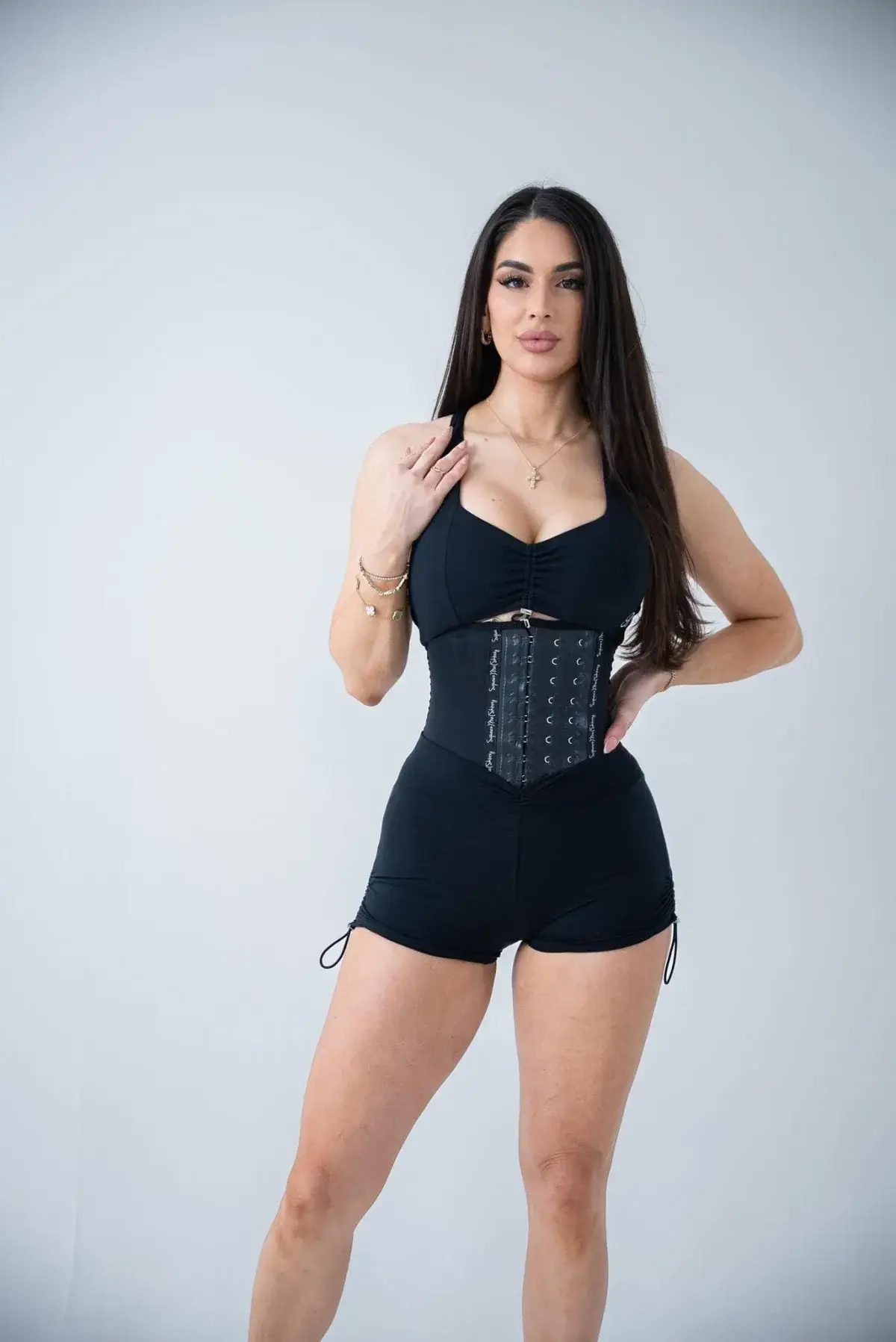
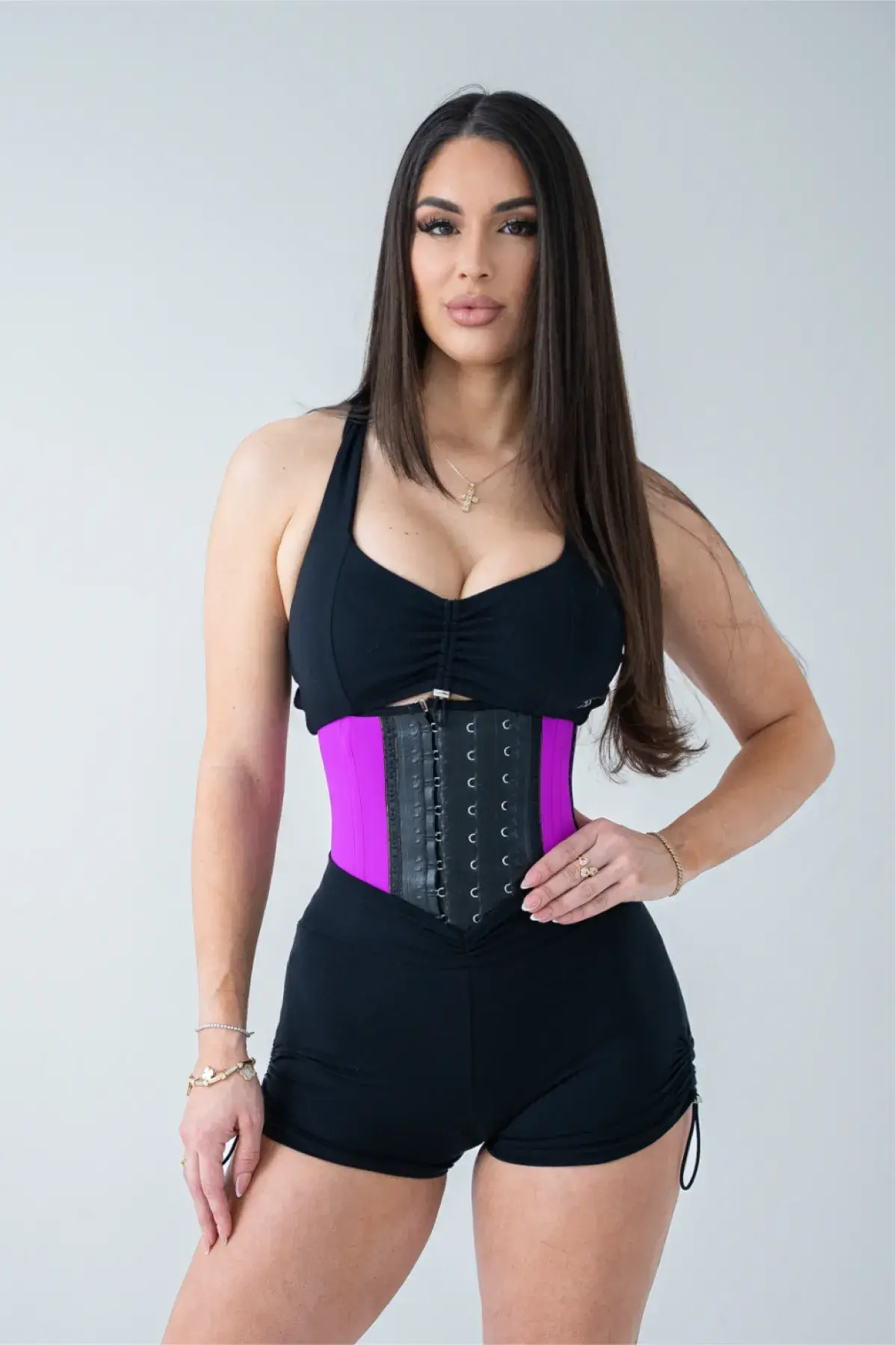

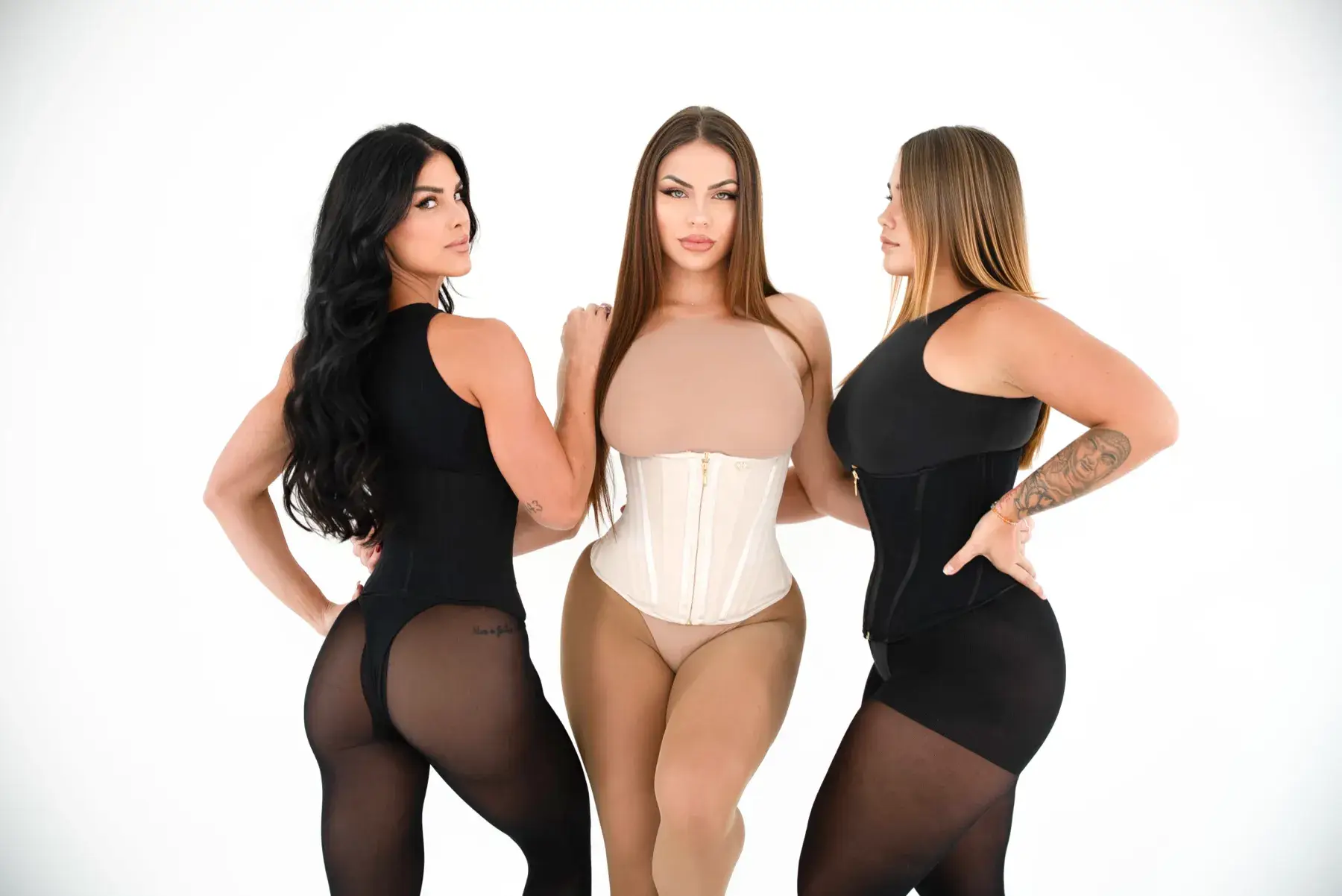
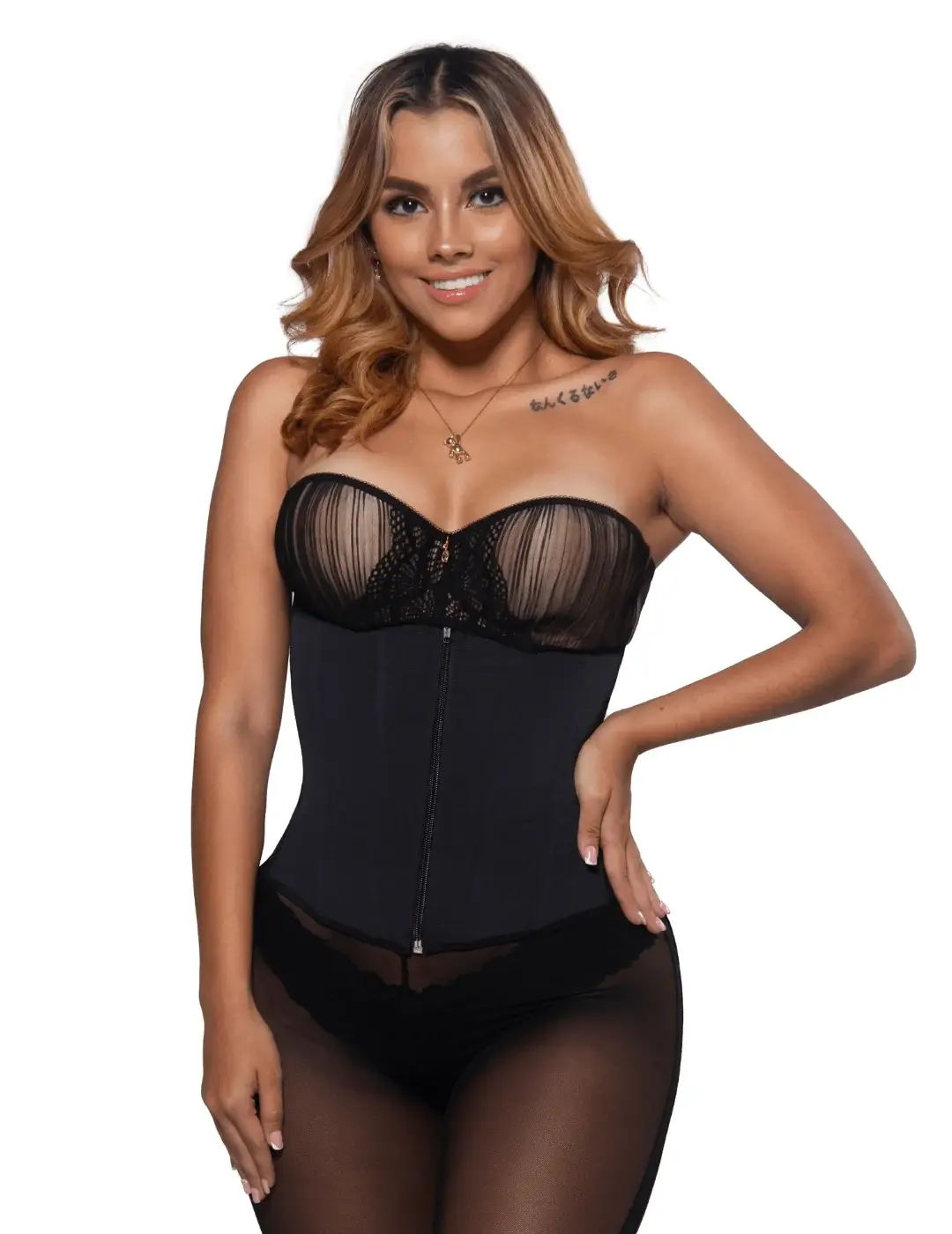
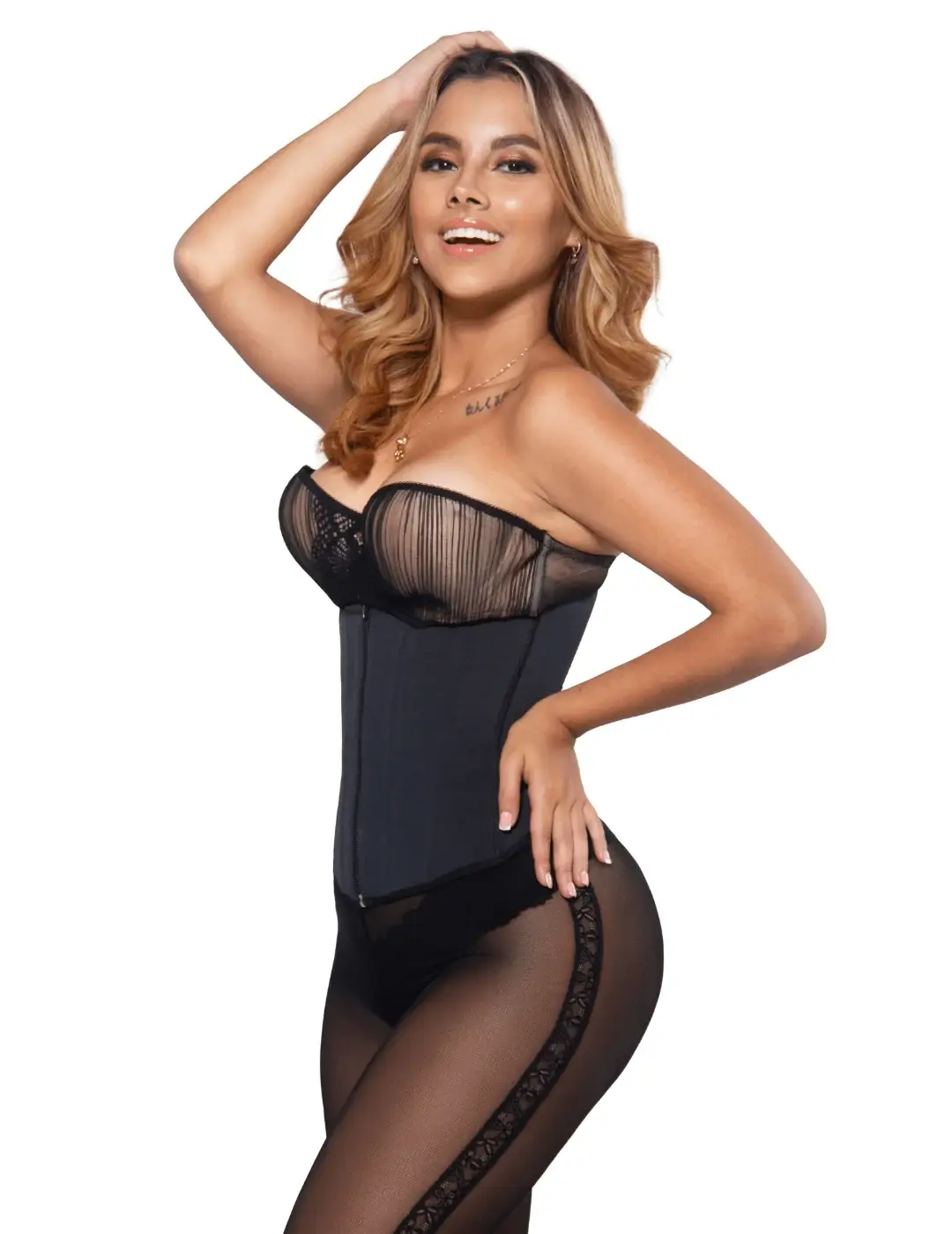 Latex-free
The Active Sculpt is our flexible latex trainer for workouts and a good first trainer. The Daily Sculpt is our firmest everyday latex. If you can't wear latex, start with our latex-free waist trainers. For a step-by-step pick, read how to choose a waist trainer. Not sure how a waist trainer differs from a corset or cincher? See waist trainer vs corset vs cincher.
Can a waist trainer reduce belly fat?
No. It compresses and shapes your waist while you wear it. It doesn't change how much fat you have. Change over time comes from training and nutrition.
Do results last after I take it off?
No. The shaping is while you wear it. When you take it off, your waist goes back to its usual shape.
Is a waist trainer worth it?
If you want shaping and support while you wear it, for outfits, confidence or how it feels at the gym, yes. If you want a lasting change, a trainer won't give you that on its own.
Is waist training safe?
It depends on you and how you wear it. Build up slowly, don't sleep in it, and take it off if you feel pain, numbness, shortness of breath or skin irritation. If you're pregnant, postpartum or managing a medical condition, ask your doctor first.
Results vary. Waist trainers provide temporary shaping while worn and work best alongside regular exercise and balanced nutrition. Not a medical device. Consult a healthcare provider if you are pregnant, postpartum, or managing a medical condition.