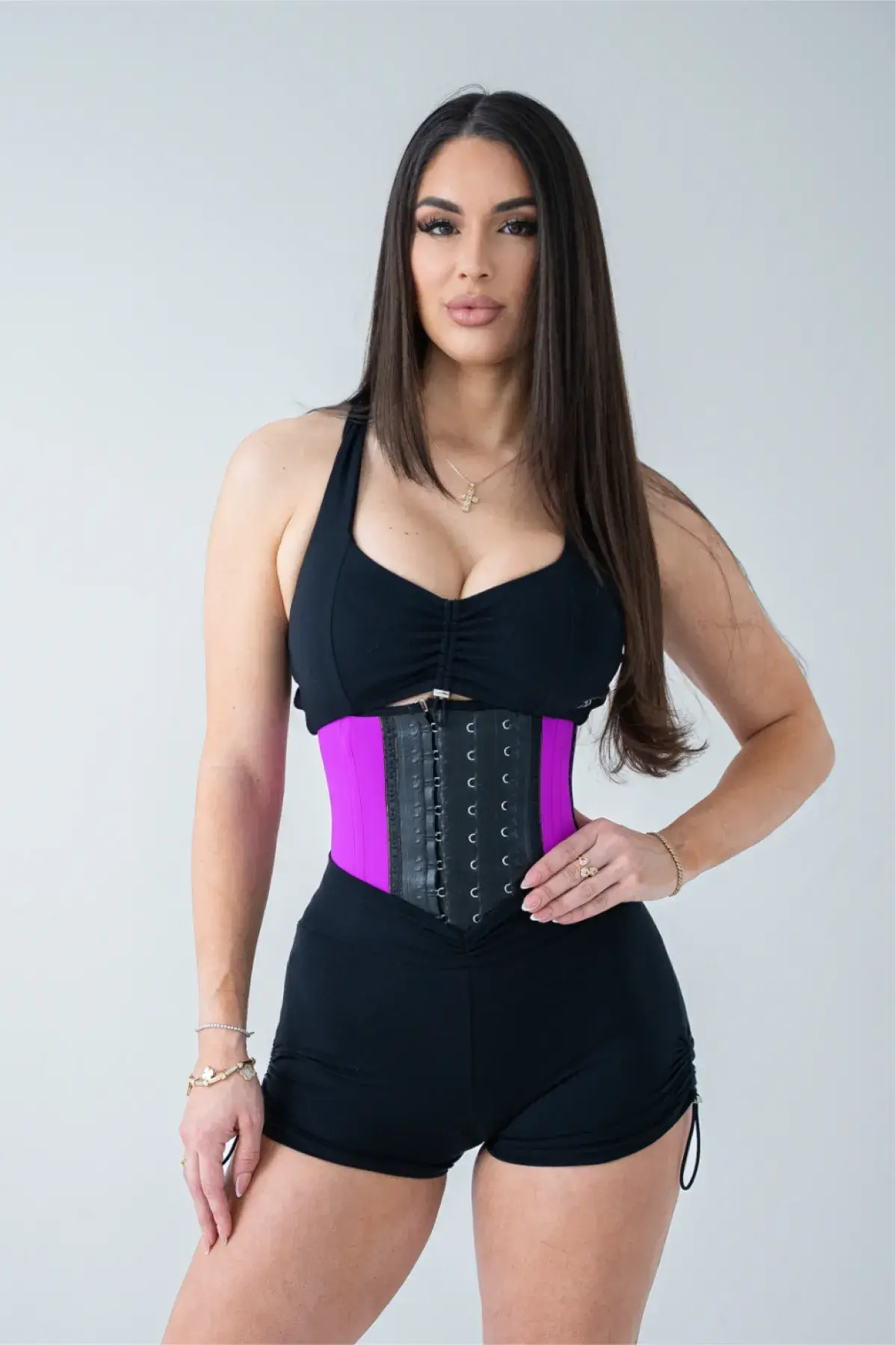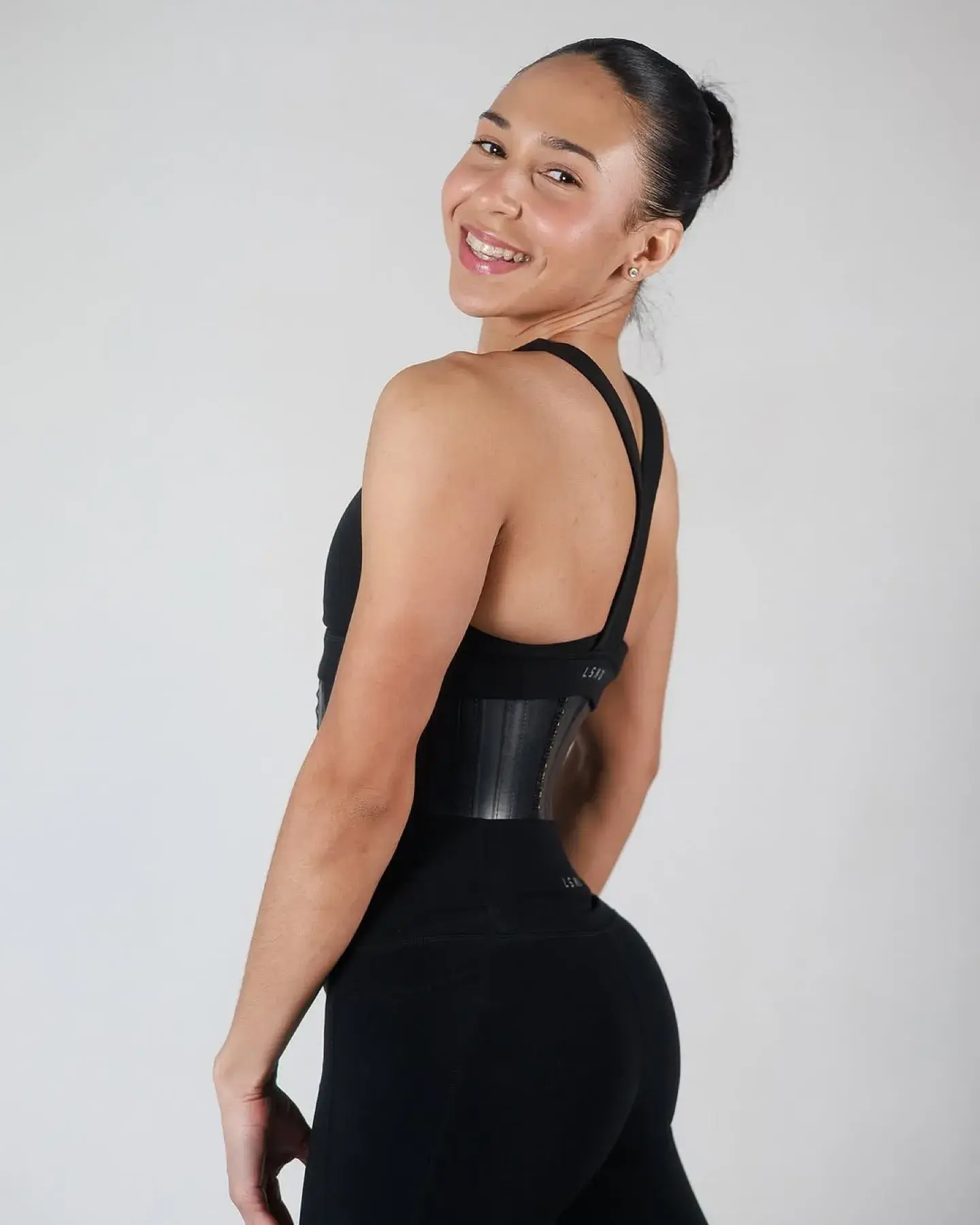


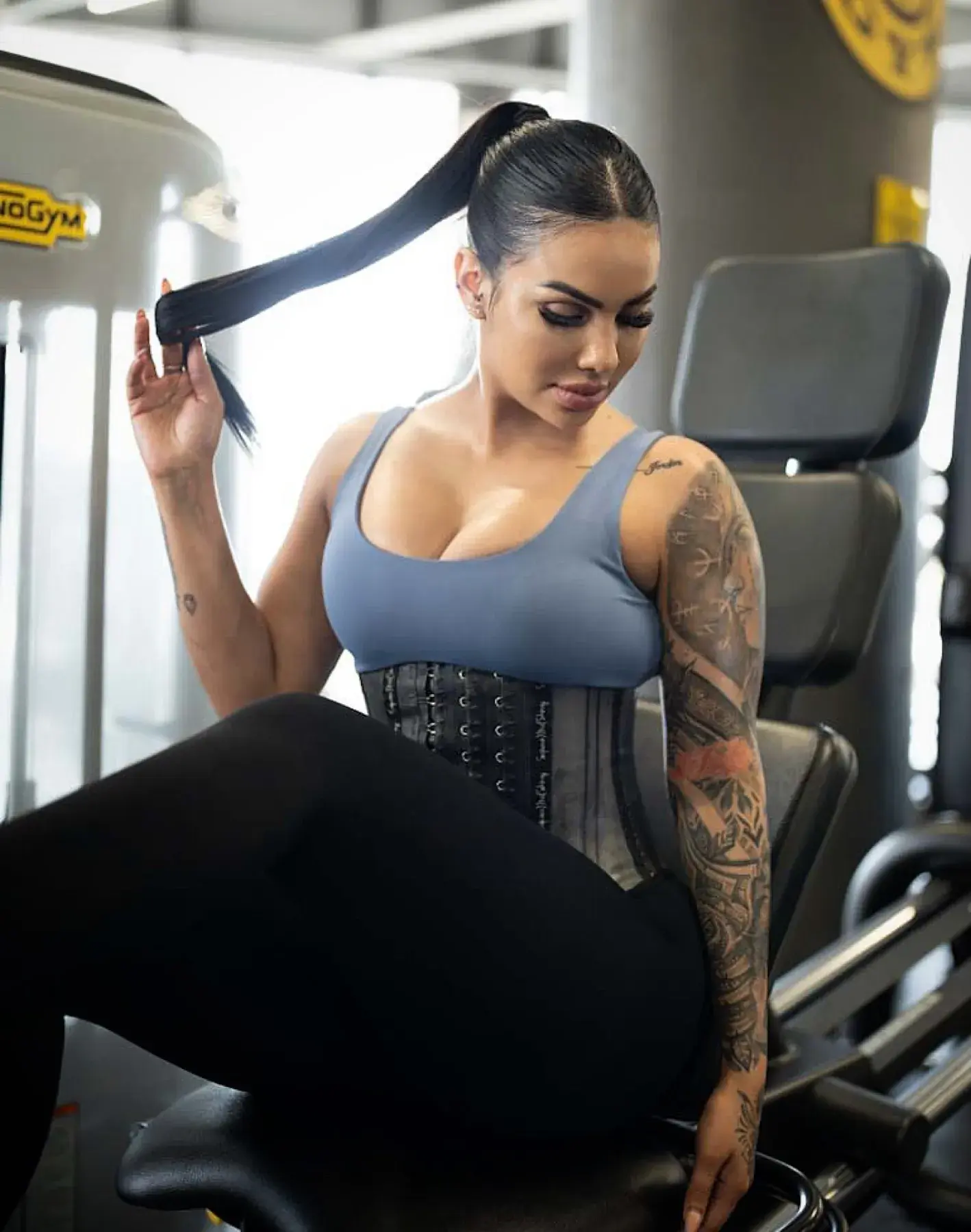
For most healthy adults, wearing a waist trainer that fits for a few hours at a time is low risk, as long as it isn't too tight and you take it off when something feels wrong. The risks go up with long hours, sleeping in one, a size that's too small, and conditions like pregnancy, reflux or breathing problems.
There isn't much research on waist trainers, so most of what's known comes from doctors describing what they see. We sell waist trainers, and we'd still rather you read the cautious version. Here's what can go wrong, how to wear one sensibly, and who should skip it.
What are the side effects of a waist trainer?
| What you might notice | Why it happens | What to do |
|---|---|---|
| Heartburn, reflux, food coming back up | Pressure on your stomach pushes acid upward | Take it off. Don't wear one right after a big meal. Ask your doctor if you have reflux. |
| Hard to take a full breath | The trainer squeezes your lower ribs | Loosen a row or take it off. You should be able to breathe and talk normally. |
| Numbness or tingling | Tight compression can press on nerves | Take it off right away. If it keeps happening, see a doctor. |
| Rib or hip pain, digging edges | Too small, too tight, or the wrong torso length | Stop and check your size and length. |
| Itching, rash or chafing | Heat, sweat and friction, or a material allergy | Wear a thin layer underneath and keep it clean. Stop if a rash appears. |
| Dizziness or overheating at the gym | Extra heat on top of hard exercise | Stop, cool down and drink water. |
Doctors' warnings are mostly about compression that's too tight or worn for too long. Dr. Dena Barsoum, a physiatrist at Hospital for Special Surgery, says the pressure on the stomach and intestines "can cause reflux and heartburn," and that waist trainers can cause nerve impingement and rib injury. Cleveland Clinic lists difficulty breathing, worse acid reflux and skin irritation as the main concerns with long-term use.
How to wear a waist trainer safely
- Wear your real size. Ordering a size down to look smaller is the most common reason a trainer pinches, rolls or makes breathing hard. Measure your natural waist and use the chart for that trainer. If you're unsure, read what size waist trainer to get.
- Match the trainer to your torso. A trainer that's too tall presses into your ribs and hips. Use our torso length guide to pick 8", 10" or 12".
- Start short and loose. One to two hours a day on the loosest row of hooks. Add time only when it feels easy. Our how long to wear a waist trainer guide has a first-week plan.
- Use the breath test. Once it's closed you should be able to take a full breath, talk normally and sit down without pinching. If you can't, it's too tight. How tight should a waist trainer be? explains the feel.
- Don't sleep in it. Cleveland Clinic advises against wearing one overnight. So do we. Here's why you shouldn't sleep in a waist trainer.
- Give your body days off. Cleveland Clinic also advises against wearing one for several days in a row. Start with a few days a week.
- Drink water at the gym. Latex and neoprene hold heat, and you'll sweat more than usual.
When should you take a waist trainer off?
Take it off right away if you notice any of these:
- Pain anywhere, including your ribs, back or hips
- Numbness or tingling in your skin or legs
- Shortness of breath or a feeling you can't breathe deeply
- Dizziness or lightheadedness
- Heartburn, or food coming back up after eating
- Swelling in your legs
- A rash, hives or itching where the trainer touches you
If a symptom doesn't go away once the trainer is off, or if you have trouble breathing, get medical help. Hives with swelling or wheezing after wearing latex can be an allergic reaction and needs a doctor straight away.
Who should talk to a doctor before wearing a waist trainer?
- Pregnant: don't wear a waist trainer.
- Recently gave birth or had surgery: follow your doctor's advice on whether, and when, any compression is right for you.
- Acid reflux or GERD: pressure on your stomach can make it worse.
- Heart, breathing, back or digestive conditions, or any other ongoing medical condition.
- Latex allergy: choose a latex-free waist trainer, and check with your doctor if you've reacted before.
Is a latex-free waist trainer safer?
Only if latex is the problem. For people with a latex allergy, latex-free is the safe choice. Our Luxx Hourglass and Invisible Zip & Clip are latex-free. Our neoprene trainers are not, because they have a latex outer. Neoprene itself can also bother some people's skin: dermatology reports link neoprene rash to thiourea chemicals used in making it. Whatever the material, fit and wear time matter more than anything else on this page.
Is it safe to work out in a waist trainer?
Many people wear one for cardio and light circuits and like the snug feel. Skip it for heavy lifting, where you need to brace and breathe deeply, and take it off if you feel dizzy or overheated. A flexible latex trainer such as Active Sculpt suits workouts better than a firm all-day trainer. More in can you wear a waist trainer while working out.
Can a waist trainer hurt your organs?
A tight trainer presses on your stomach and intestines while it's on, which is why some people get heartburn or bloating. HSS physiatrist Dr. Dena Barsoum says your organs need space to work and compressing them can affect how they work. If anything feels wrong, take it off and talk to your doctor.
Can I wear a waist trainer while pregnant?
No. Don't wear a waist trainer while you're pregnant.
Can a waist trainer cause back pain?
A trainer that's too tight or too tall for your torso can dig in and leave you sore. Check your size and length first. If the pain continues after you stop wearing it, see a doctor.
How many hours a day is safe?
There's no proven number. Start with 1 to 2 hours on the loosest hooks, build up only if it feels comfortable, and never wear it overnight. Shorter is the cautious choice.
Does a waist trainer weaken your core?
There's no good research either way. A trainer doesn't do your core work for you, so keep training your core without it.